

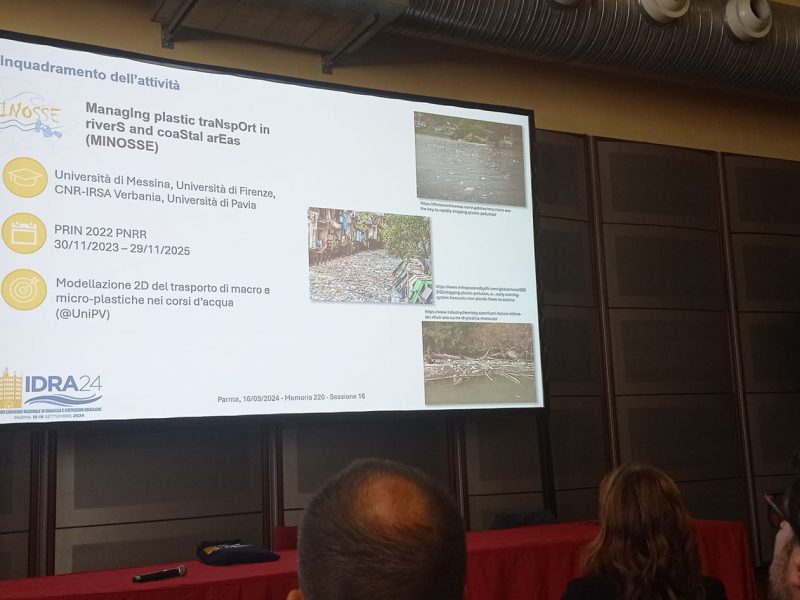
ManagIng plastic traNspOrt in riverS and coaStal arEas (MINOSSE)
The transport and accumulation of plastic waste in aquatic environments are complex phenomena, determined by the interaction between the physical properties of plastic materials and the hydrodynamic and morphodynamic processes that characterize rivers and coastal zones. Despite growing scientific interest in the topic, the understanding of the mechanisms governing plastic dynamics in these contexts remains limited. In particular, the numerical models currently available have seldom been systematically compared and validated using experimental data or field observations.
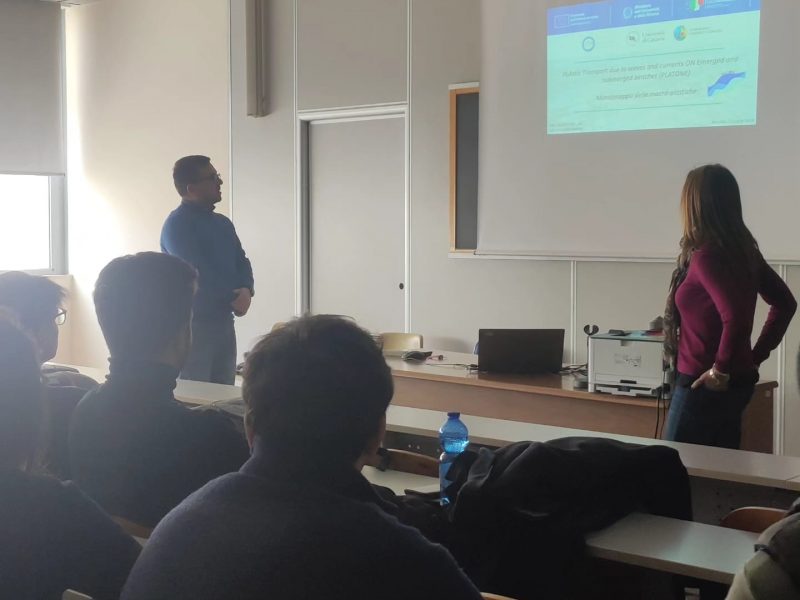
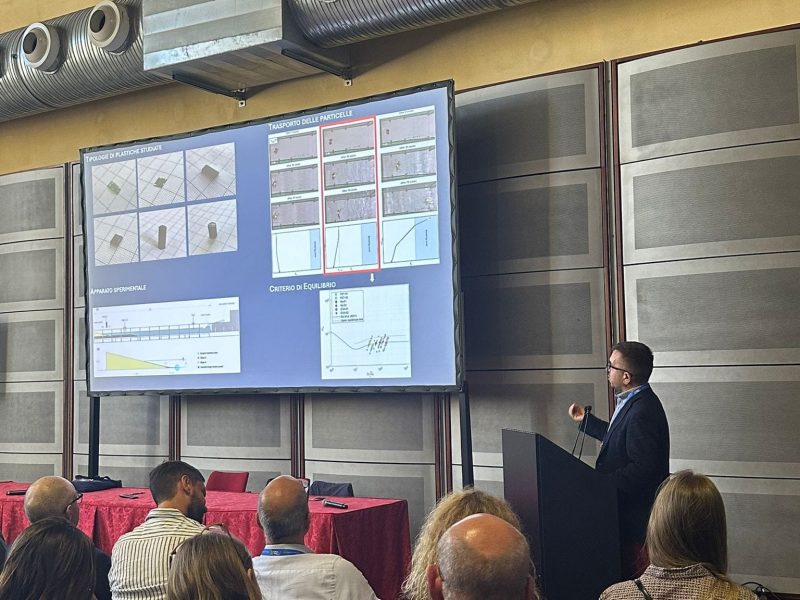
The MINOSSE project primarily focuses on the development of reliable and predictive numerical models to describe the transport and accumulation of plastic waste in riverine and coastal environments. To support this objective, the project synergistically integrates numerical modeling activities with laboratory experiments, field monitoring campaigns, and citizen science initiatives, conceived as complementary tools for collecting data useful for model calibration, validation, and verification.
The laboratory experiments were designed to reproduce controlled flow conditions and to isolate the main physical mechanisms governing the interaction between plastic objects and water flow. In parallel, the field activities allowed data collection in real-world contexts, enabling the evaluation of plastic behavior under complex hydrodynamic and morphological conditions. The citizen science initiatives further expanded the spatial and temporal coverage of observations, contributing to the creation of extensive and up-to-date datasets on the presence, transport, and accumulation of plastic waste.
The results obtained from laboratory experiments, field campaigns, and citizen science initiatives were integrated to improve the parameterization of numerical models and to assess their performance in real scenarios. This integration enhanced the accuracy and predictive capability of the modeling tools developed within the project.
The multidisciplinary approach adopted in MINOSSE, based on the integration of numerical modeling with experimental and field observations, represents a key element for the development of reliable quantitative tools, capable of supporting the prediction of plastic pathways, the identification of accumulation areas, and the definition of effective strategies for the mitigation and removal of plastic pollution in aquatic environments.
Research Unit
University of Messina (UniME)
Claudio IUPPA (Principal Investigator)
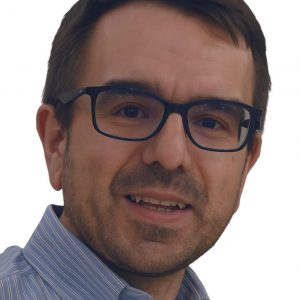
Claudio Iuppa was born in Enna on August 7, 1985. On July 19, 2011, he earned a Master’s Degree in Environmental and Land Engineering from the University of Catania, graduating with full marks and honors (110/110 cum laude). In January 2016, he obtained a PhD in Hydraulic, Sanitary-Environmental, and Transport Infrastructure Engineering (28th Cycle) from the University of Catania, defending a thesis entitled “Optimization of Cast Marine Dams for Wave Energy Extraction.” Since March 2023, he has been a Fixed-term Researcher in the Scientific-Disciplinary Sector ICAR/01 at the Department of Engineering, University of Messina. He teaches in various courses and has served as principal investigator of research projects and in consultancy roles.
His research activity is primarily focused on coastal hydrodynamics, wave energy devices, wave motion forecasting, and the dispersion of pollutants in the sea. These research activities are carried out through laboratory experiments, numerical modeling, and the application of neural networks.
Carla FARACI

Carla Faraci is a Full Professor at the University of Messina. She is the Scientific Director of the Hydraulics Laboratory, which she designed and helped establish. She is a member of the Technical-Scientific Committee of the Basin Authority of the Sicily Hydrographic District – Presidency of the Sicily Region, a member of the PhD Board in Engineering, and an external expert on the Technical-Administrative Committee of the Interregional Public Works Authority for Sicily – Calabria.
She has served as scientific coordinator of the European projects EU TA HY+ WINGS (2018) and INTERREG Italy–Malta 2020-27 MAESTRI, the national projects PRIN2022 PLATONE (2024-2026) and BAC RAISE Passport (2025), as well as numerous agreements with public and private institutions.
Her research interests, documented in over 60 publications indexed in major databases, focus primarily on marine hydraulics and coastal engineering, wave–current interactions, wave-induced effects on coastal structures, wave energy extraction, the application of neural networks for wave forecasting, plastic transport in coastal environments, and the marine propagation of oil spills.
University of Firenze (UniFI)
Luca SOLARI

Lorem ipsum dolor sit amet, consectetur adipiscing elit. Ut elit tellus, luctus nec ullamcorper mattis, pulvinar dapibus leo.
Mirco MANCINI
University of Pavia (UniPV)
Andrea FENOCCHI
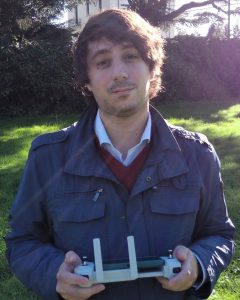
Andrea Fenocchi has been an Associate Professor of Hydraulics at the University of Pavia since 2025. He was born in 1987, earned his degree in Environmental and Land Engineering in 2011, and completed his PhD in Hydraulic Engineering in 2015. From 2015 to 2017 he worked as a postdoctoral researcher, and from 2017 to 2024 he was a Researcher in Hydraulics at the University of Pavia. Since 2015, he has collaborated with CNR-IRSA, where he worked as an Associate Researcher.
He is currently the Deputy Principal Investigator of the PRIN 2022 PNRR MINOSSE project and the University of Pavia coordinator for the INTERREG Italy–Switzerland project WINCA4TI. He has also led multiple research contracts for the University of Pavia on environmental management of lakes and hydraulic risk with public institutions such as the Lombardy Region, the PO River District Authority, and ARPA Lombardia.
His research interests focus on environmental hydraulics, limnology, and ecohydrology, both through numerical modeling and field-based observational studies.
Elisabetta PERSI
Francesco CONTO
Gabriella PETACCIA
Stefano SIBILLA
Water Research Institute (CNR-IRSA)
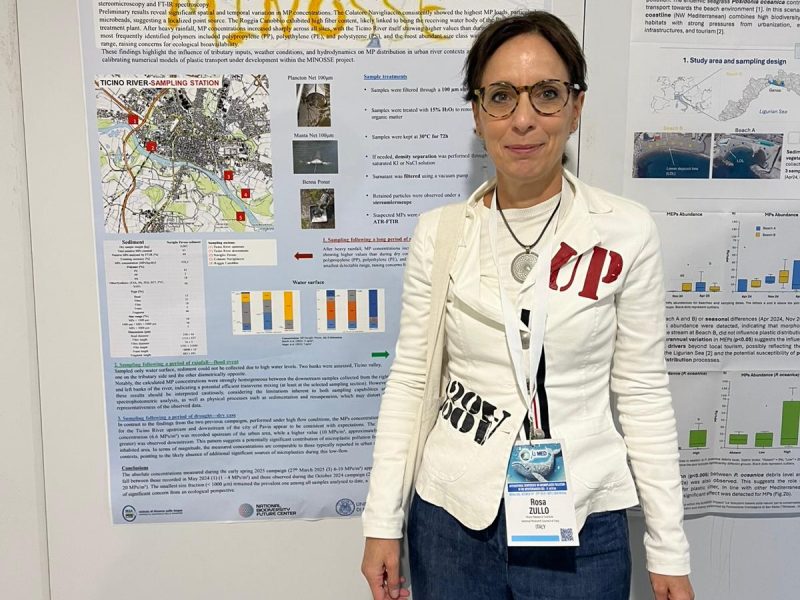
Rosa ZULLO
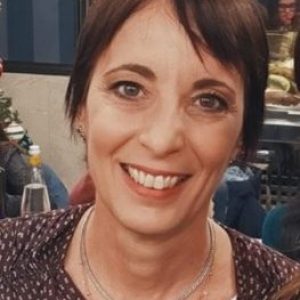
Rosa Zullo is a researcher at the National Research Council, Water Research Institute (CNR-IRSA). She holds a degree in Chemical Engineering and a PhD in Materials Engineering. Her research focuses on biodegradable and sustainable polymers, including their formulation, processing, and characterization. She also works on plastic pollution in the environment, with particular emphasis on the study and monitoring of micro- and macroplastic pollution in both freshwater and terrestrial ecosystems.
Silvia GALAFASSI
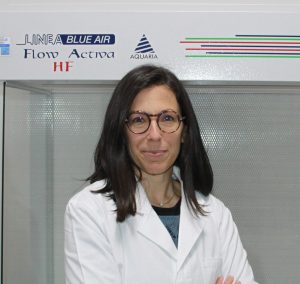
Silvia Galafassi holds a degree in Industrial and Environmental Biotechnology and a PhD in Molecular and Cellular Biology. She is a researcher at the Water Research Institute of the National Research Council (CNR-IRSA). Her research focuses on the monitoring of microplastics in aquatic environments, the development of strategies for the recovery and valorization of plastic materials, and the assessment of the ecological effects of plastic degradation products, with particular attention to freshwater ecosystems.
Objectives
The main objectives of the project are:
O1) Develop 1D and 2D numerical modeling tools to simulate the transport of plastics in rivers, accounting for the main physical properties of plastic debris (size, density, and shape) that influence resuspension, transport, and deposition processes;
O2) Identify and implement models capable of assessing the effects of coastal meteorological and marine forcings on plastic dynamics;
O3) Understand and model the transport processes of plastic pollutants, using laboratory data for the initial application and validation of the developed numerical models;
O4) Develop a database for storing both existing and newly acquired strategic data on the sources, transport, distribution, and degradation of plastics in river–coastal basins, including data from citizen science initiatives and field monitoring campaigns;
O5) Validate the developed numerical models through comparison with field data;
O6) Disseminate the project results through scientific communication and outreach activities.
Conducted Research
The MINOSSE project focuses on studying the transport, accumulation, and fate of plastics (micro- and macroplastics) in riverine and coastal systems. The research integrates advanced numerical modeling, laboratory experiments, field monitoring, and citizen science, aiming to fill current gaps in the understanding of the physical processes governing the dynamics of plastic waste in aquatic environments.
Numerical Modeling
The research involved the development and application of 1D, 2D, and 3D numerical models capable of simulating the transport of plastics in rivers and coastal areas.
In riverine systems, the following were used:
- 1D models, suitable for describing the mass balance of plastics along extended river reaches, including deposition, resuspension, and interactions with sediments and riparian vegetation;
- 2D models, capable of representing local processes in detail, such as accumulation in urban areas, interactions with hydraulic structures, and the formation of concentration hotspots.
In coastal and nearshore areas, modeling is based on the coupling of hydrodynamic models with Lagrangian particle-tracking models, to simulate the combined effects of waves, tides, currents, and wind, as well as specific processes such as beaching, washing-off, biofouling, sinking, and deposition.
Laboratory Experimental Activities
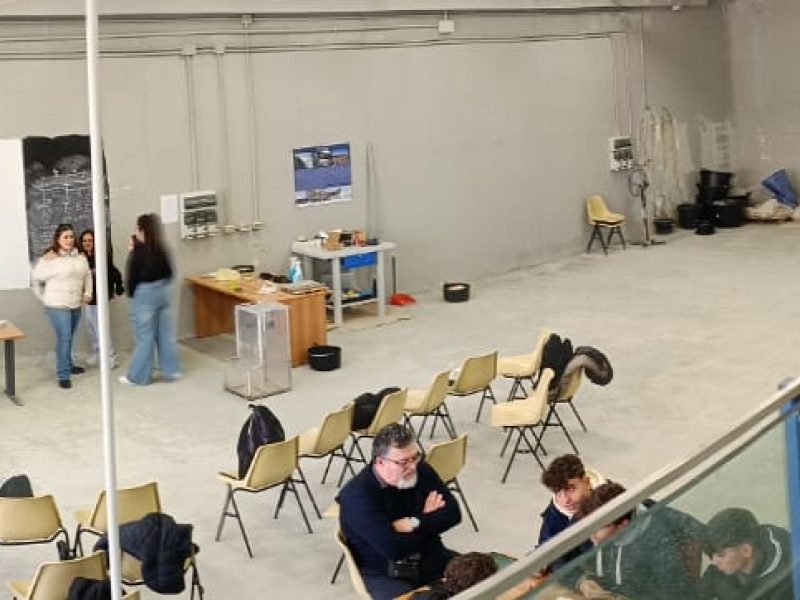
The numerical models were supported and calibrated through controlled experimental campaigns conducted in flume channels and wave tanks.
The laboratory activities allow for:
- Analyze the interaction between plastics and riparian vegetation;
- Measure the hydrodynamic forces acting on macroplastics and the mechanisms of aggregation;
- Study the behavior of plastics under wave action, in the presence or absence of sediments.
Experimental data provide a fundamental reference to ensure the physical reliability of the developed models
Field Monitoring and Citizen Science
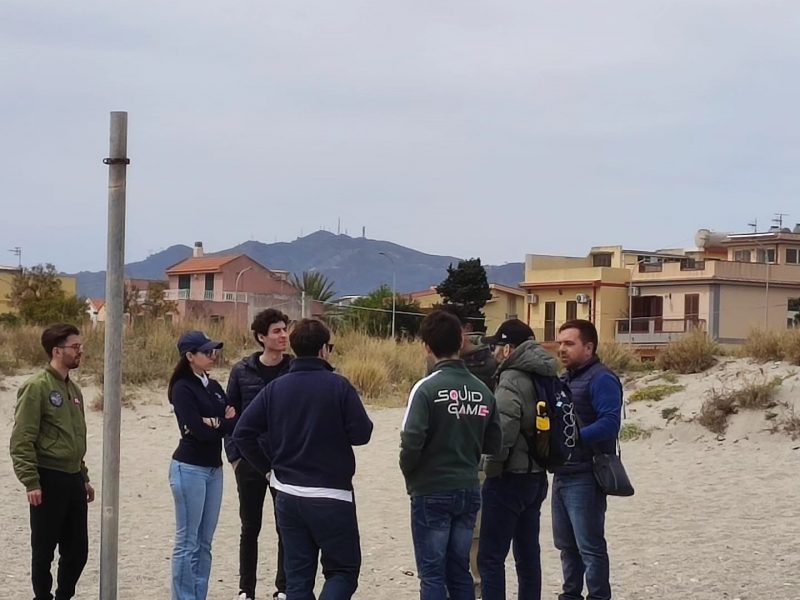
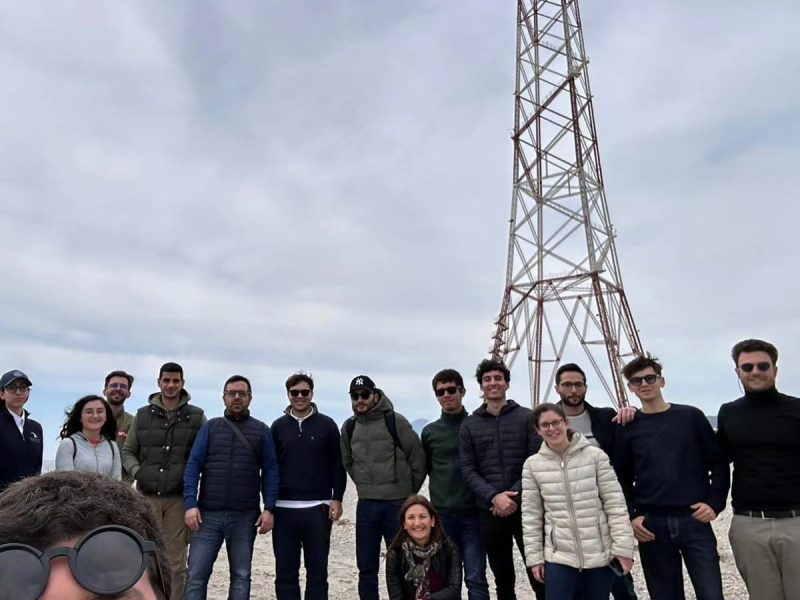
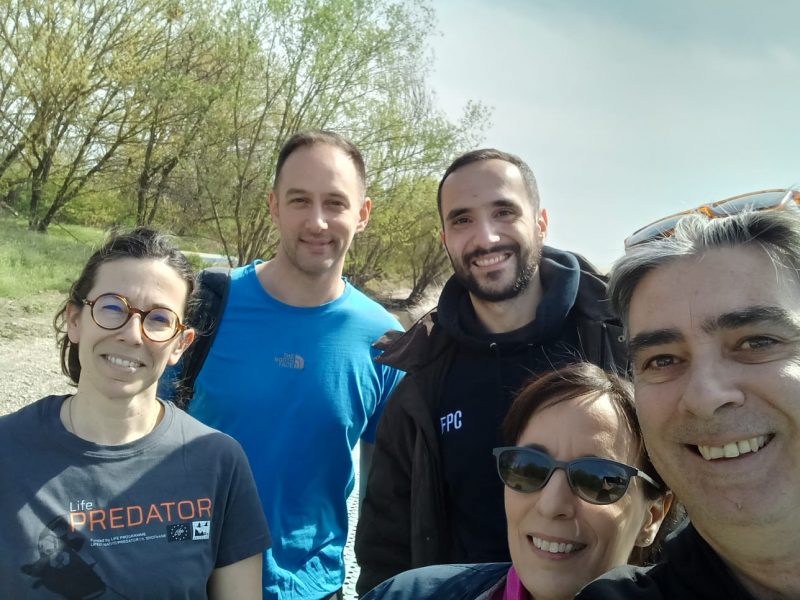
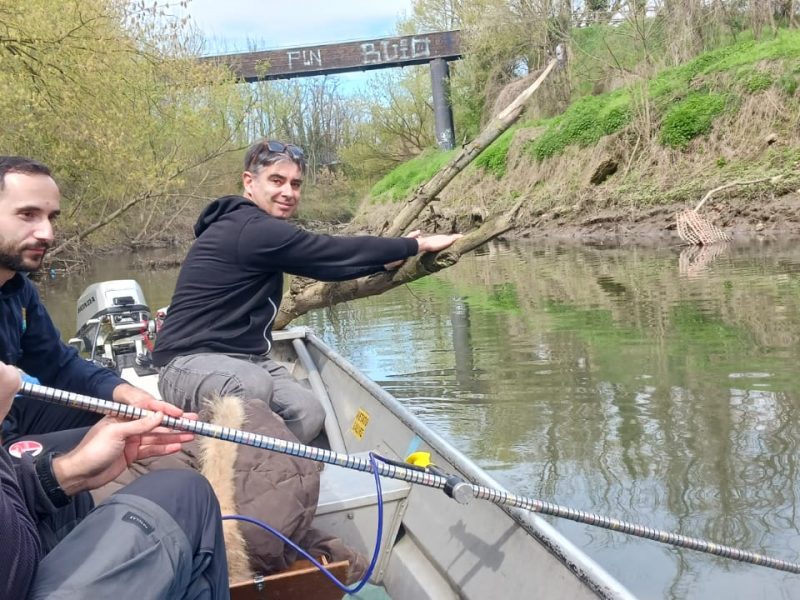
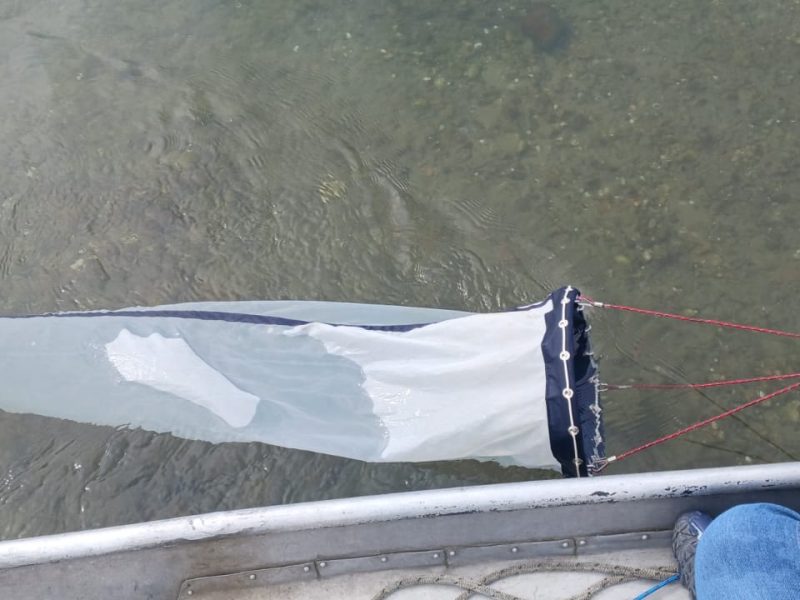
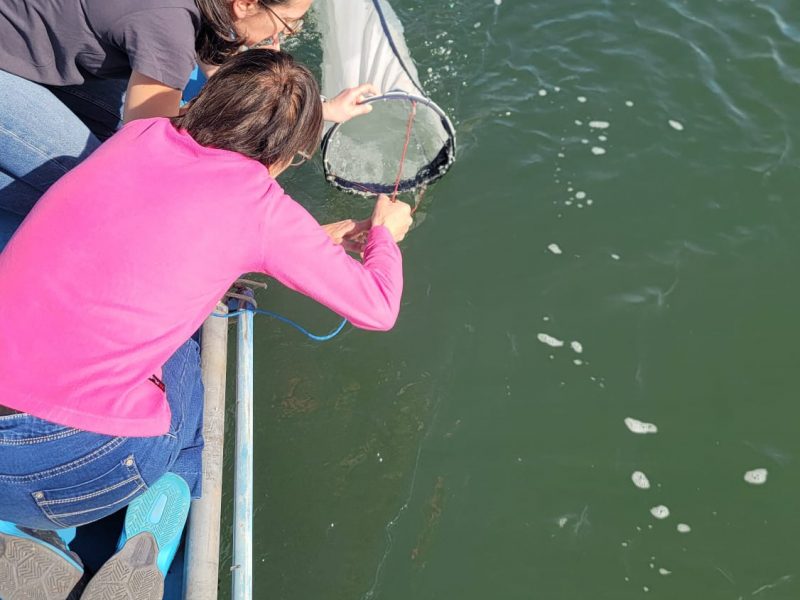
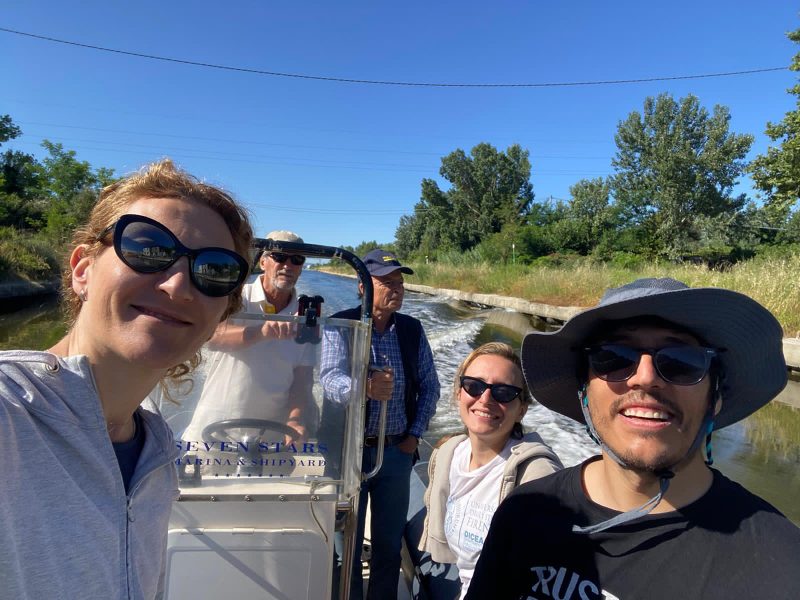
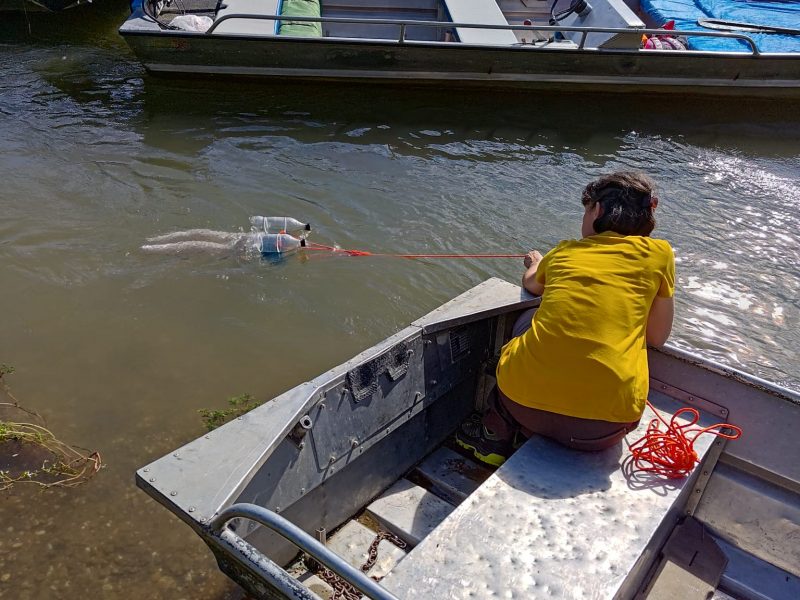
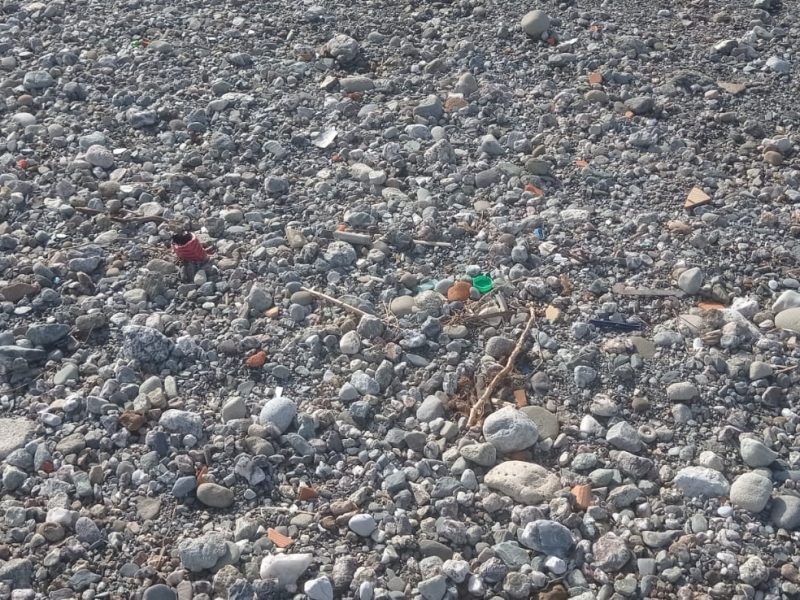
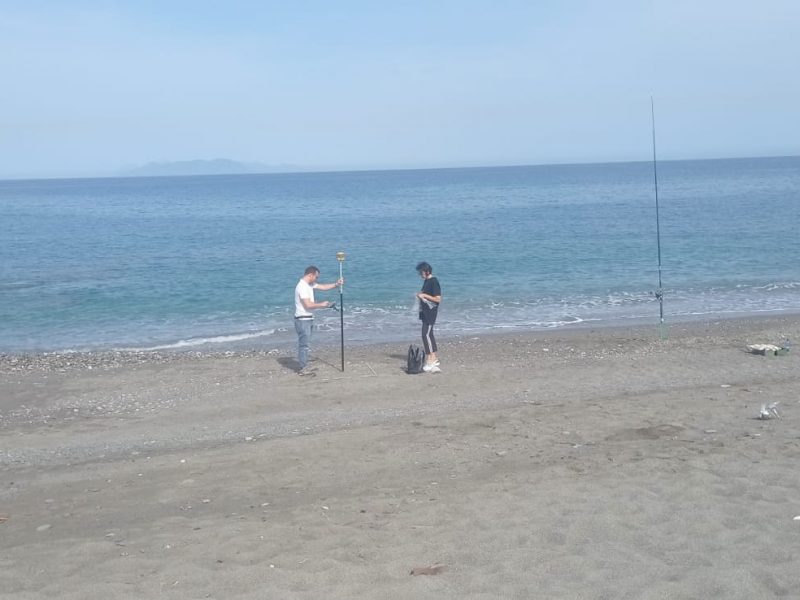
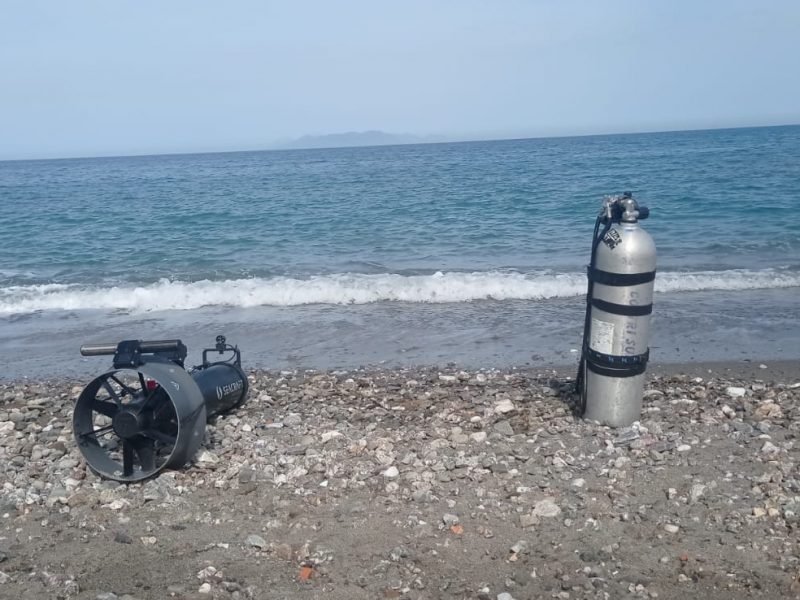
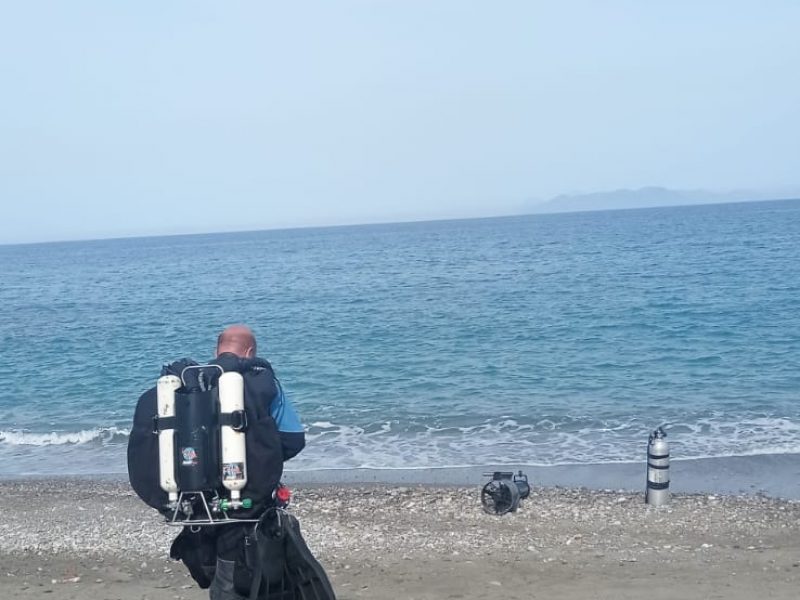
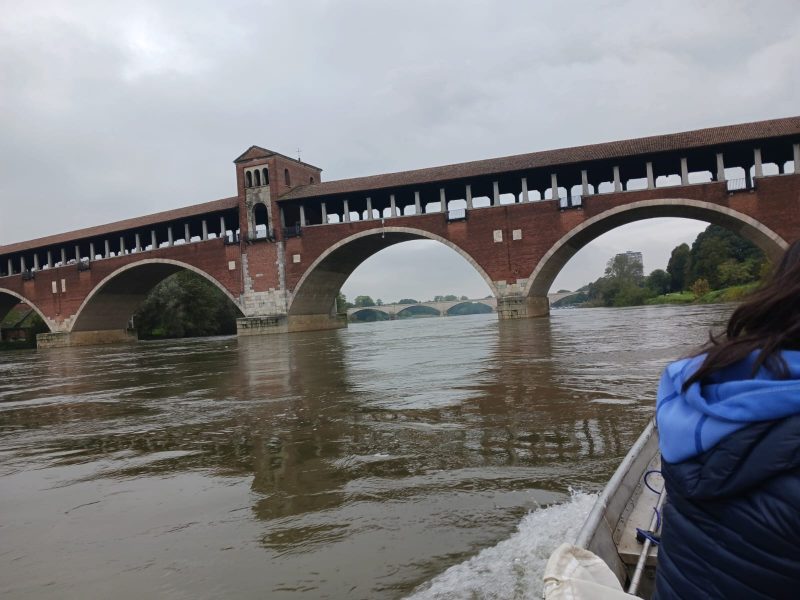
The research includes monitoring campaigns in Italian rivers and coastal environments, aimed at collecting real-world data on the distribution, composition, and concentration of plastics.
The activities include:
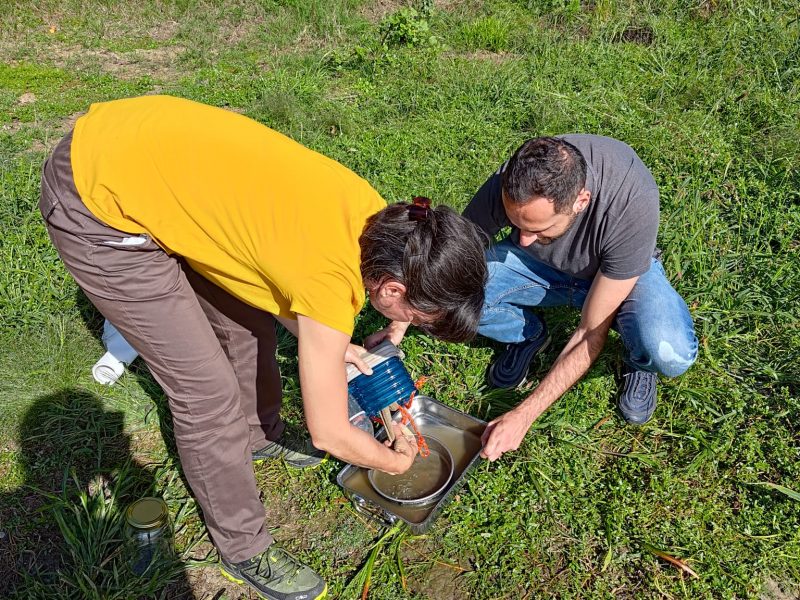
- Sampling of plastics in sediments and in the water column;
- Laboratory analysis for the identification and classification of plastic materials;
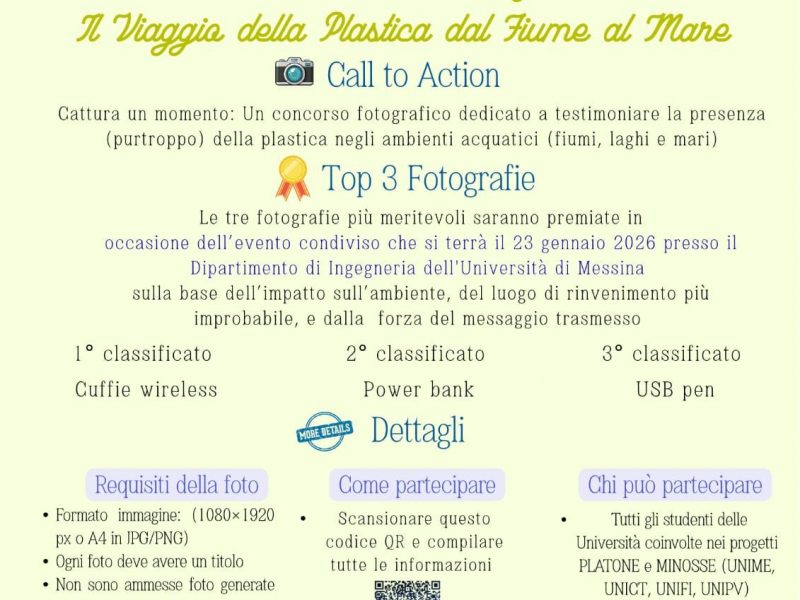
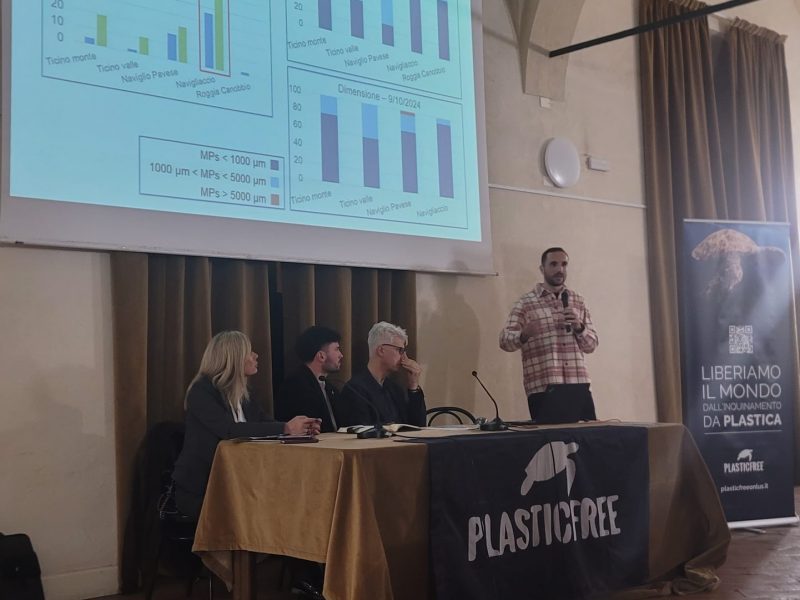
- Citizen science initiatives involving students and volunteers in the survey of macroplastics along riverbanks, estuaries, and beaches.
These activities allow the integration of scientific observations with public participation, increasing the spatial and temporal coverage of the data collected.
Integrazione dei dati e applicazioni
All experimental, field, and citizen science data have been organized in a georeferenced database (GIS), allowing the analysis of the spatio-temporal distribution of plastics and the comparison of numerical simulation results with real-world observations.
Results
The project has produced the following results, which derive directly from the activities described above:
- R1) Development of a 1D numerical tool for predicting the transport of plastics in rivers;
- R2) Development of a 2D numerical tool for predicting the transport of plastics in rivers;
- R3) Development of a numerical approach based on coupled models for predicting the transport of plastics in the coastal zone;
- R4) Creation of a database containing data collected during field monitoring campaigns, laboratory experimental analyses, and citizen science activities related to plastic pollution, its accumulation, and transport processes.
Deliverables
- D1) Report on the 1D numerical tool for predicting plastic transport in rivers
- D2) Report on the 2D numerical tool for predicting plastic transport in rivers
- D3) Report on numerical tools for predicting plastic transport in the coastal zone
- D4) Report on laboratory experimental campaigns
- D5) Report on field sampling activities, experimental analyses, and citizen science activities
- D6) Report on the implementation of the GIS platform for the management of data relating to plastic pollution, their accumulation and transport processes
- D7) Report on the validation and application of numerical models to laboratory experiments and real case studies.
Dataset
- Dataset related to the experimental activities conducted by UNIFI
- Dataset related to the experimental activities conducted by UNIPV
- Dataset related to the experimental activities conducted by UNIME
Map of the field campaigns
This interactive map provides an overview of the field campaigns carried out during the MINOSSE project, including the related data on sampled plastics.
Publications
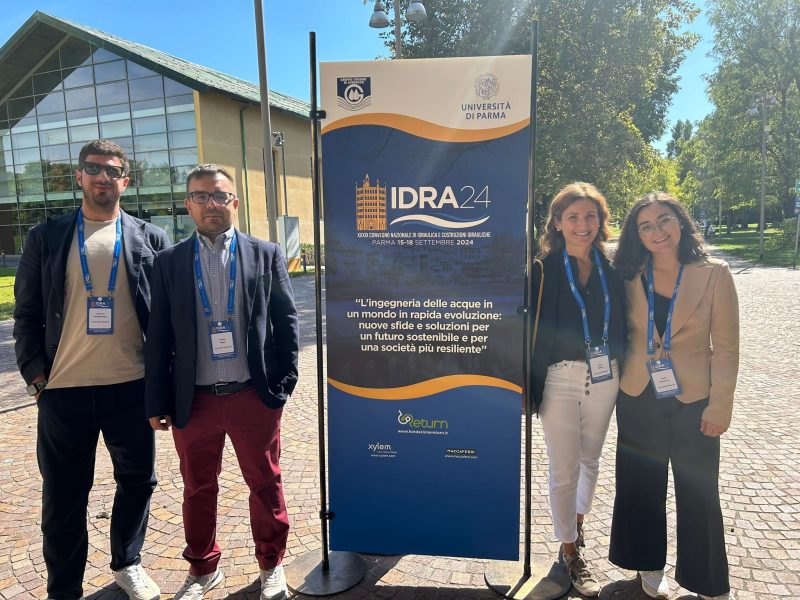
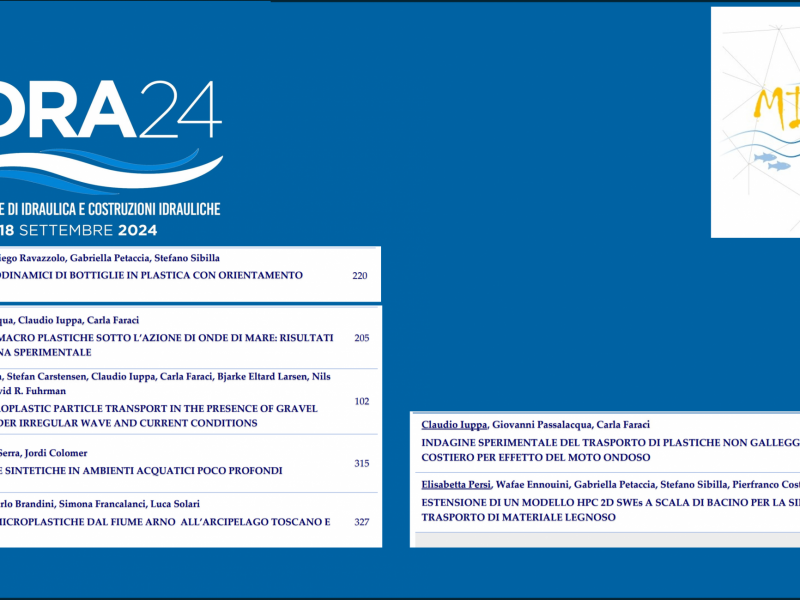
- Persi E., Fenocchi A., Ravazzolo D., Petaccia G., Sibilla S. (2024). Misura dei coefficienti idrodinamici di bottiglie in plastica con orientamento variabile. Proceedings of the XXXIX National Conference on Hydraulics and Hydraulic Structures, Parma, September 15–18, 2024, https://zenodo.org/records/13584918.
- Martuscelli D., Innocenti, L., Francalanci, S., and Solari, L. Esperimenti di laboratorio sul trasporto delle particelle di plastica nelle aree ripariali. Proceedings of the XXXIX National Conference on Hydraulics and Hydraulic Structures, Parma, September 15–18, 2024, https://zenodo.org/records/13584918.
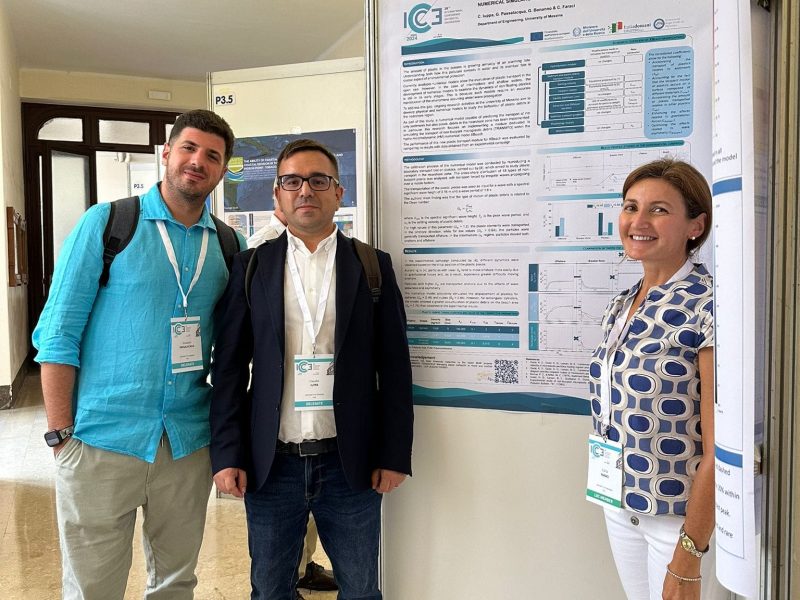
- Iuppa, C., Passalacqua, G., & Faraci, C. (2024). An equilibrium criterion for plastic debris fate in wave-driven transport. Marine Pollution Bulletin, 206, 116758. https://doi.org/10.1016/j.marpolbul.2024.116758
- Iuppa, C., Passalacqua, G., & Faraci, C. Experimental investigation of non-floating plastic transport in coastal areas due to wave motion. Proceedings of the XXXIX National Conference on Hydraulics and Hydraulic Structures, Parma, September 15–18, 2024, https://zenodo.org/records/13584918.
- Iuppa, C., Passalacqua, G., Bonanno, G., & Faraci, C. Numerical simulation of the plastic debris transport in nearshore zone. 38th International Conference on Coastal Engineering, Roma, 8-14 September 2024. https://icce-ojs-tamu.tdl.org/icce/article/view/13997
- Iuppa, C., & Faraci, C. (2024, October). A Numerical Tool for Non-Buoyant Plastic Debris Short-Term Fate Prediction in the Nearshore Zone. In 2024 IEEE International Workshop on Metrology for the Sea; Learning to Measure Sea Health Parameters (MetroSea). IEEE. 10.1109/MetroSea62823.2024.10765753
- Mancini, M., Francalanci, S., Serra, T., Colomer, J., & Solari, L. (2025). Settling velocities of microplastics with different shapes in sediment-water mixtures. Environmental Pollution, 126071. https://doi.org/10.1016/j.envpol.2025.126071
- Martuscelli, D., Francalanci, S., Innocenti, L., & Solari, L. (2025). Riparian vegetation as a natural barrier: experimental analysis of plastic particle retention in a vegetated reach. Environmental Advances, 100645. https://doi.org/10.1016/j.envadv.2025.100645
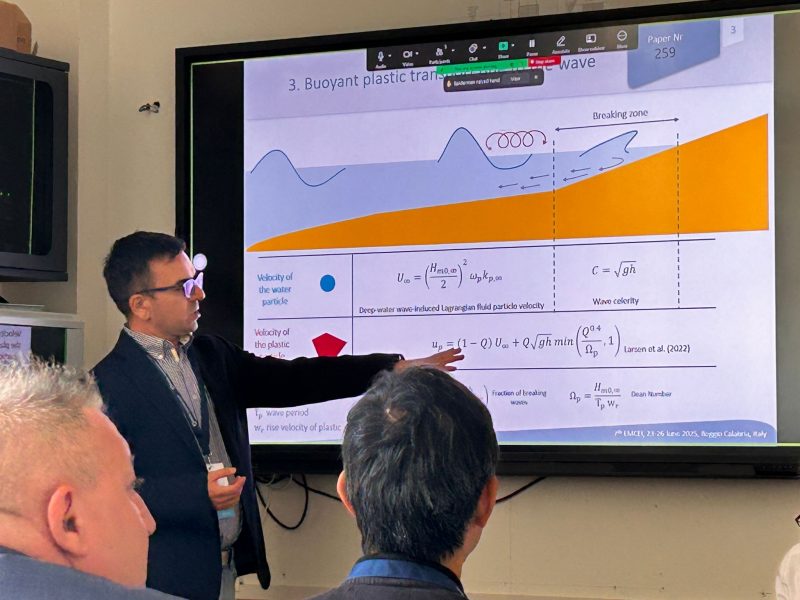
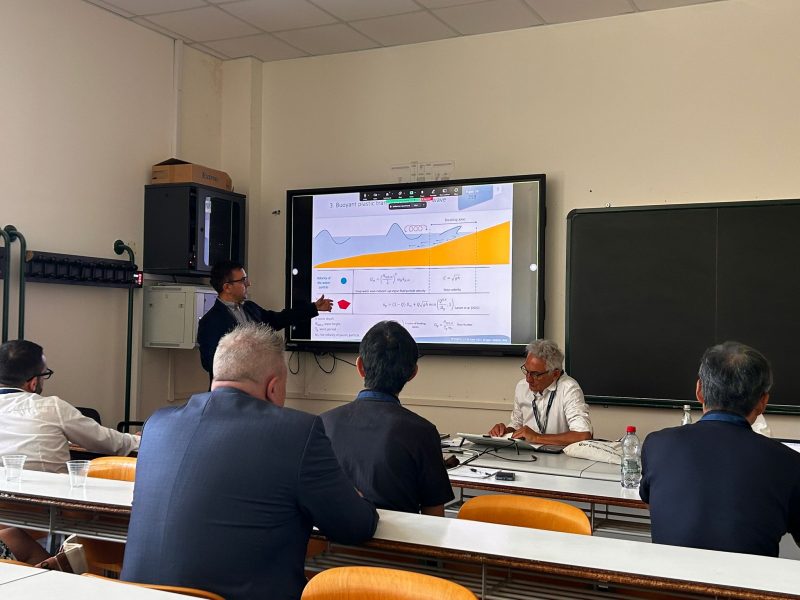
- C. Iuppa, G. Passalacqua, G. Bonnano, and C. Faraci, (2025). Numerical Modelling for Predicting the Transport of Buoyant Plastic Debris in Nearshore Zones, 7th Euro-Mediterranean Conference for Environmental Integration, 2025, 23-26 giugno, Reggio Calabria, Italia.
- Iuppa, C., Passalacqua, G., Chebbi, I., & Faraci, C. (2025). A numerical tool for buoyant plastic debris transport prediction in the nearshore zone. In 2025 IEEE International Workshop on Metrology for the Sea; Learning to Measure Sea Health Parameters (MetroSea) (pp. 312–316). IEEE. https://doi.org/10.1109/MetroSea66681.2025.11245755
- Zullo, R., Contò, F.P., Fenocchi, A., Ravazzolo, D., Persi, E., & Galafassi, S. Preliminary results on microplastic pollution in the Ticino River and its tributaries: insights from the MINOSSE project, International Conference on Microplastic Pollution in the Mediterranean Sea, October 19-22, 2025, Ischia (NA), Italy
- Contò, F.P., Persi, E., Ravazzolo, D., Petaccia, G., Sibilla, S., Galafassi, S., Zullo, R., Fenocchi, A. (2026, submitted) Macro- and microplastic transport and deposition dynamics in the Ticino River urban reach (Pavia, Italy): field observations and source assessment, Proceedings of the 13th International Conference on Fluvial Hydraulics – IAHR, June 30-July 4 2026, Thessaloniki, Greece
- Persi, E., Petaccia, G., Contò, F.P., Sibilla, S.,Innocenti, L., Mancini, M., Solari, L., Fenocchi, A. (2026, submitted) Two-dimensional simulation of the transport of plastic bottles in the Firenze urban reach of the Arno River (Italy), Proceedings of the 13th International Conference on Fluvial Hydraulics – IAHR, June 30-July 4 2026, Thessaloniki, Greece
- I. Chebbi, M. Donato, S. Lanza, G. Randazzo, C. Faraci and C. Iuppa, “Investigating Hydrodynamic Influences on Coastal Litter Distribution Using UAS Surveys,” 2025 IEEE International Workshop on Metrology for Green Technologies, Renewable Energy and Ecological Sustainability (MetroGREENST), Giardini Naxos (Messina), Italy, 2025, pp. 330-334, doi: 10.1109/MetroGREENST67435.2025.11428844.