
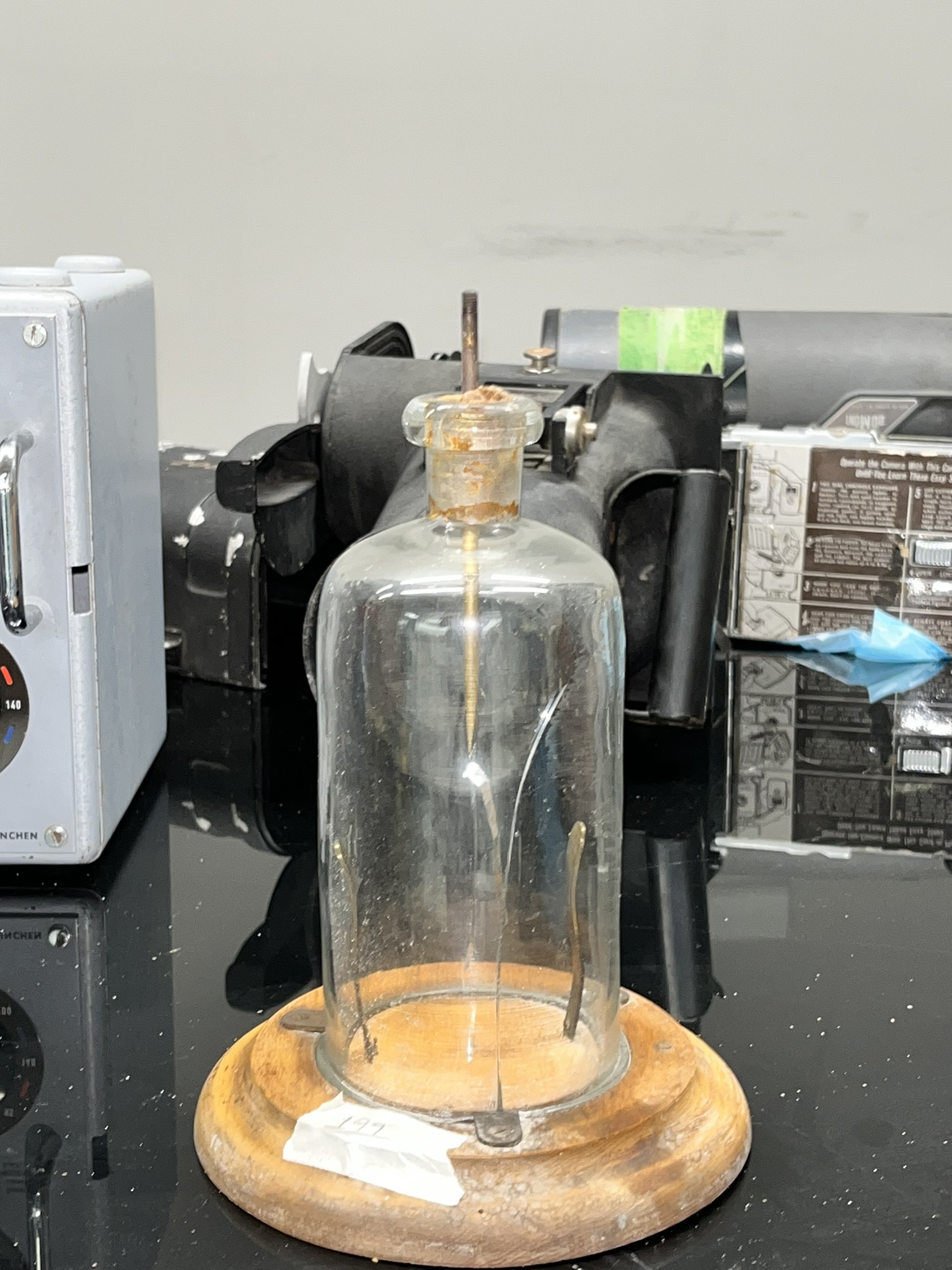
Electroscope
Description: An electroscope is a device used to detect the presence and magnitude of electric charge. It consists of a metal rod and thin leaves or a needle enclosed in a glass case. When charged, the leaves or needle deflect due to electrostatic forces.
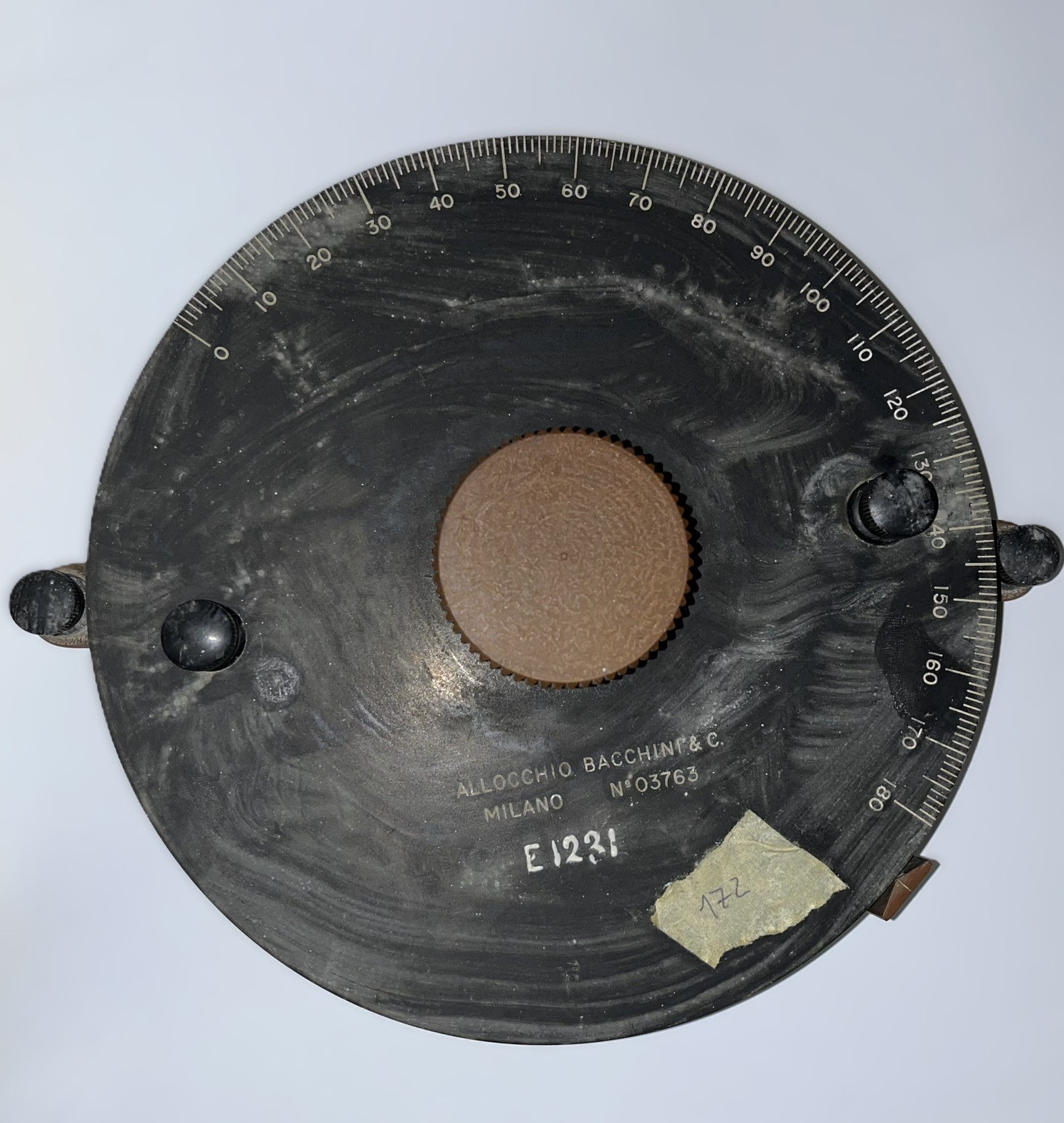
Protractor for Angular Measurements
Description: This device, calibrated in degrees, is likely used in experiments to measure precise angles, especially in optics or mechanics. It features a circular scale with fine gradations and adjustable components.
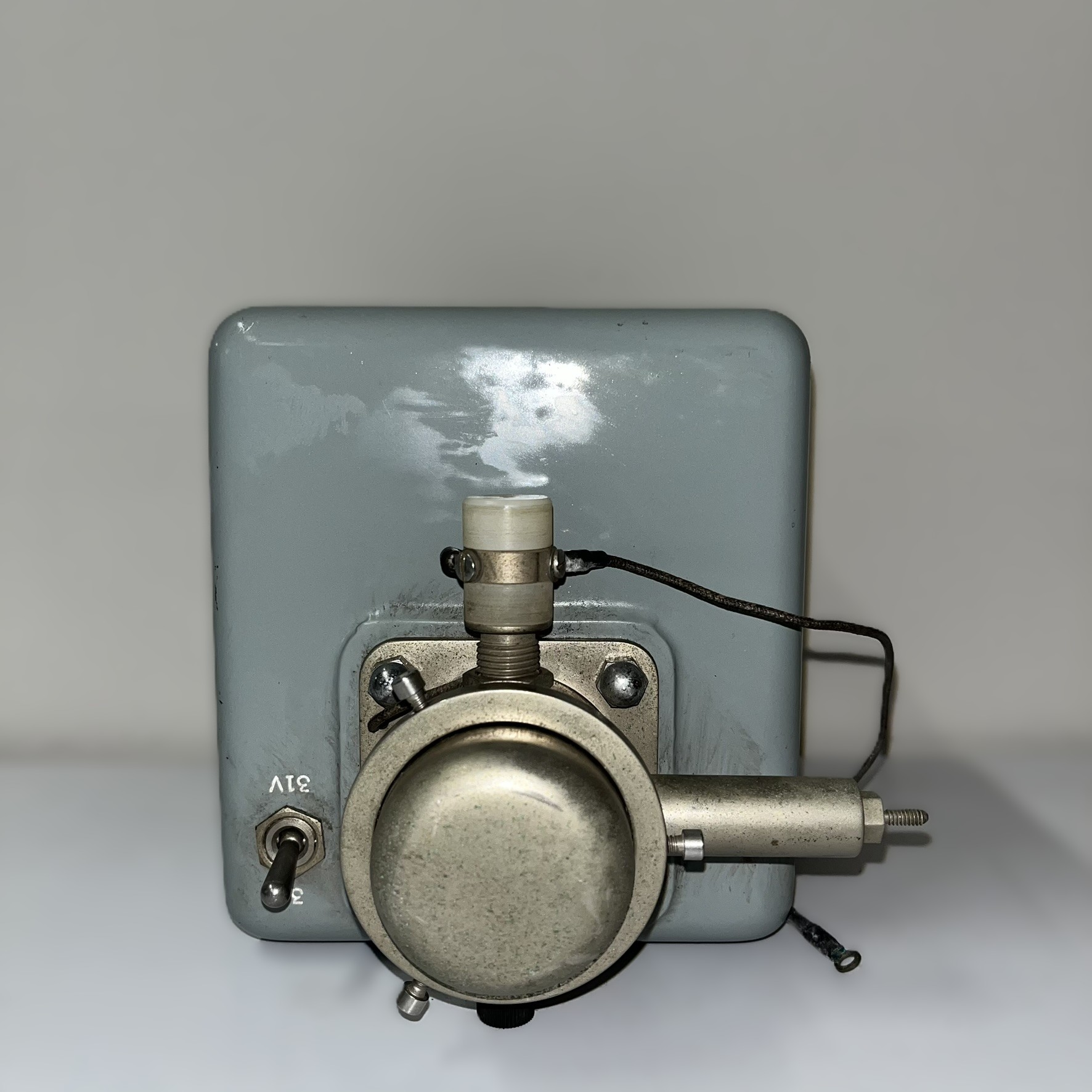
Vacuum Pump
Description: This is a mechanical vacuum pump used to remove air from a sealed chamber, creating a low-pressure environment. It is utilized in various physics experiments involving gases, vacuums, or atmospheric pressure.
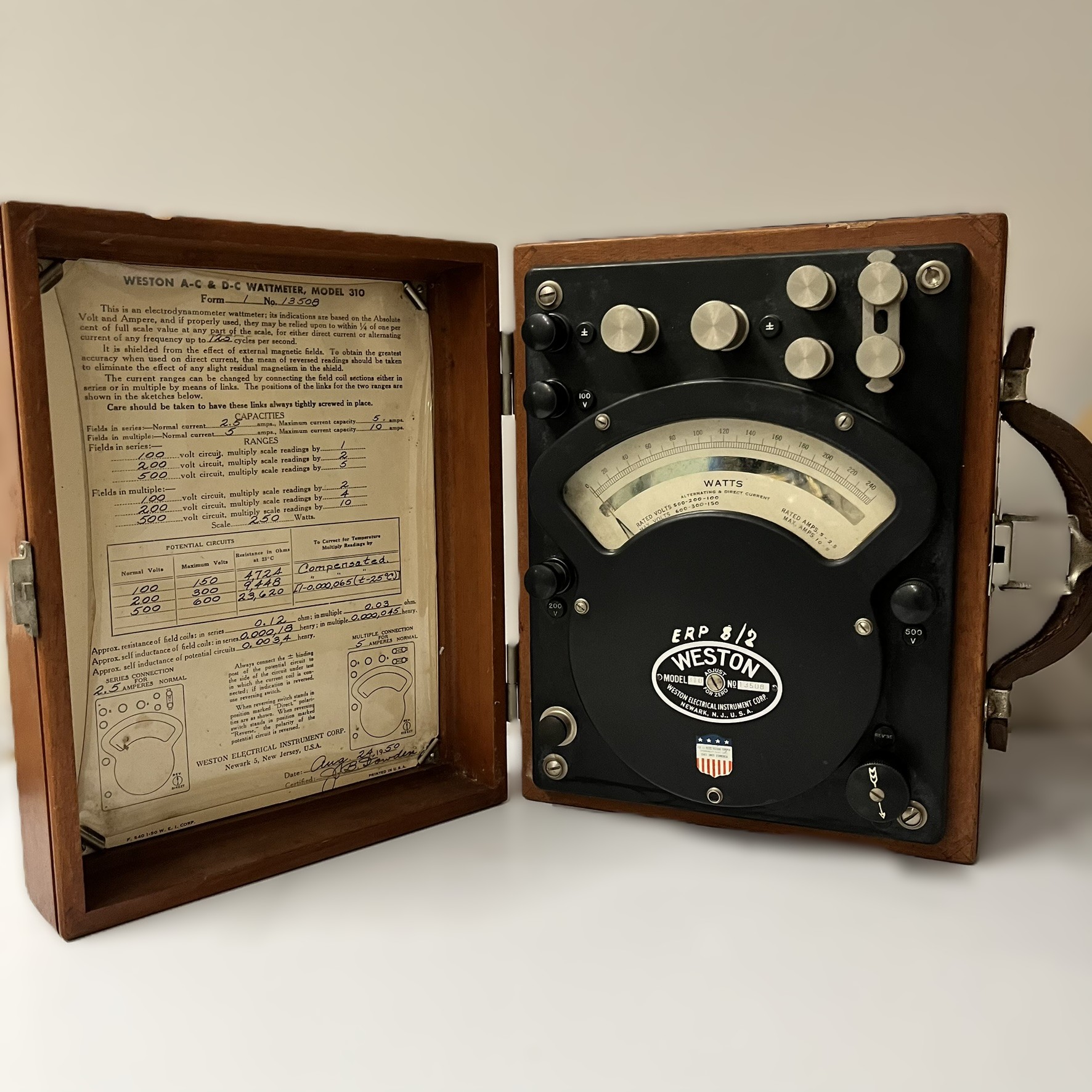
Weston Wattmeter
Description: A precision instrument for measuring electrical power in AC or DC circuits. It includes detailed calibration scales and is enclosed in a protective case, reflecting its use in detailed electrical experiments.
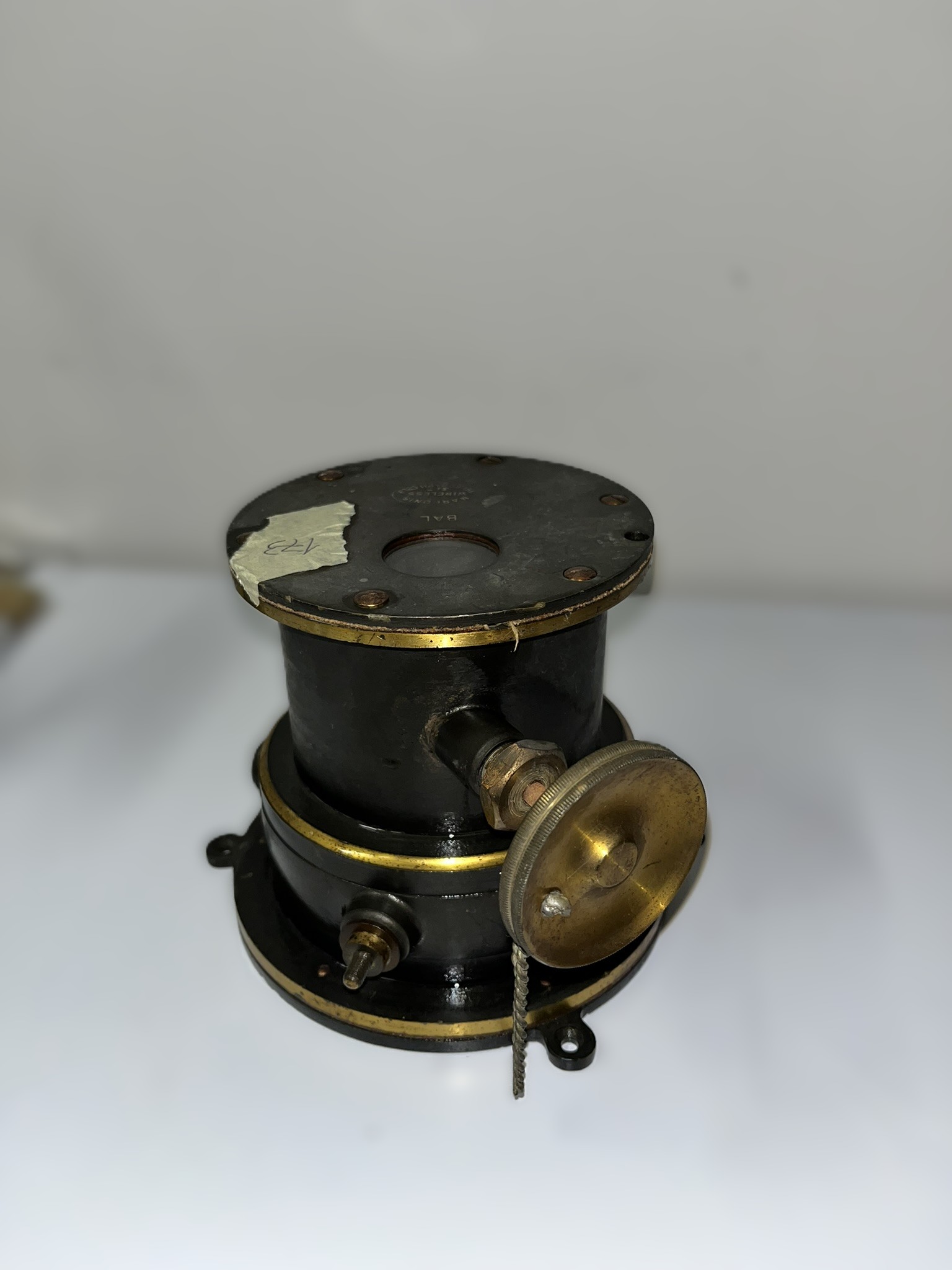
Voltaic Pile Base
Description: This base may be part of a voltaic pile setup, one of the earliest battery models invented by Alessandro Volta. It is used to demonstrate the principles of electrochemical reactions and early electricity generation.
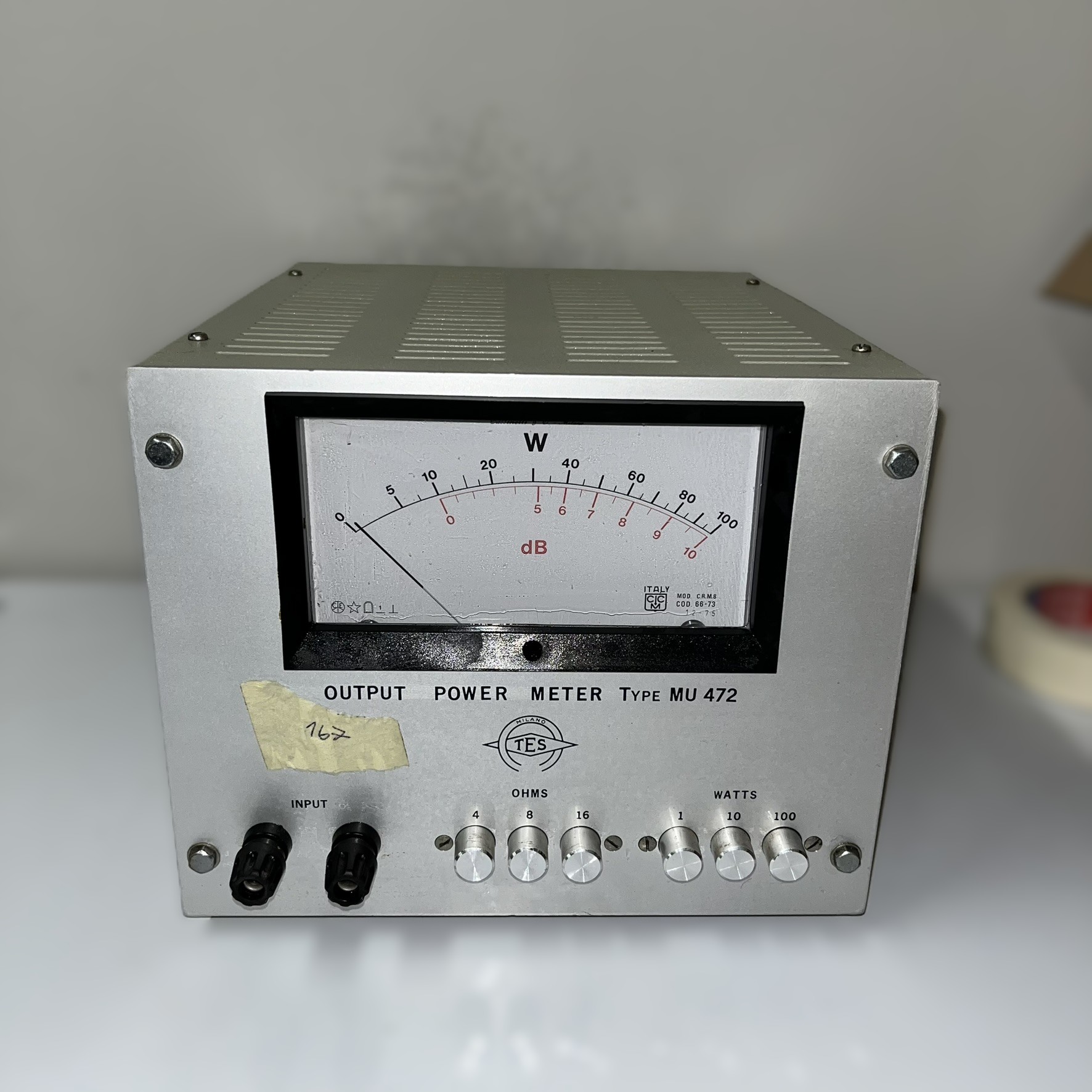
Output Power Meter
Description: This device, identified as a power meter (Type MU 472), is used to measure the electrical output power in watts or decibels (dB). It features multiple input and adjustment settings, making it suitable for precision measurements in electronic and electrical experiments.
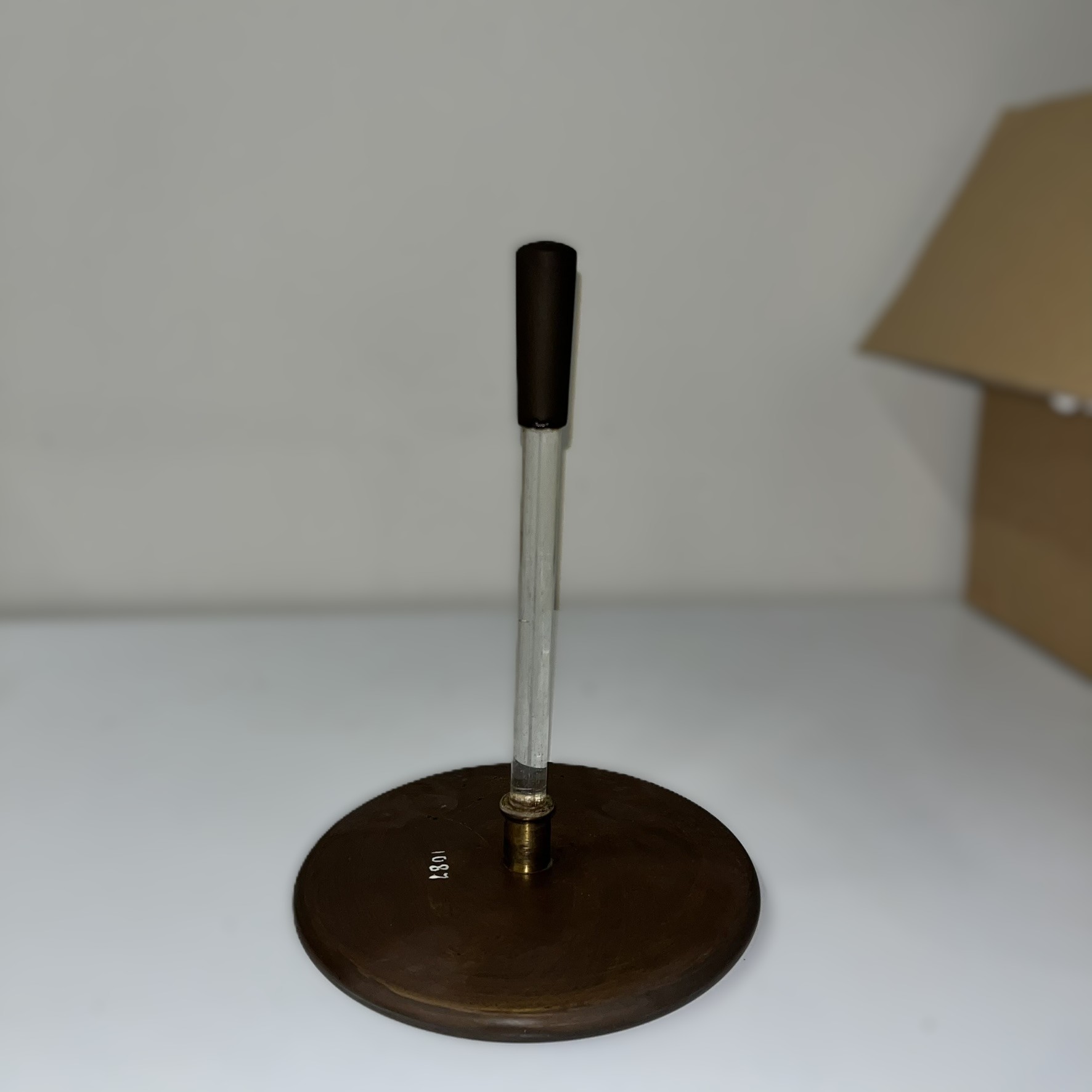
Proof Plane
Description: A proof plane is a simple tool used in electrostatics to transfer small amounts of electric charge from one surface to another. It consists of a flat metal disk attached to an insulating handle, typically used to study the distribution of charge on conductive surfaces.
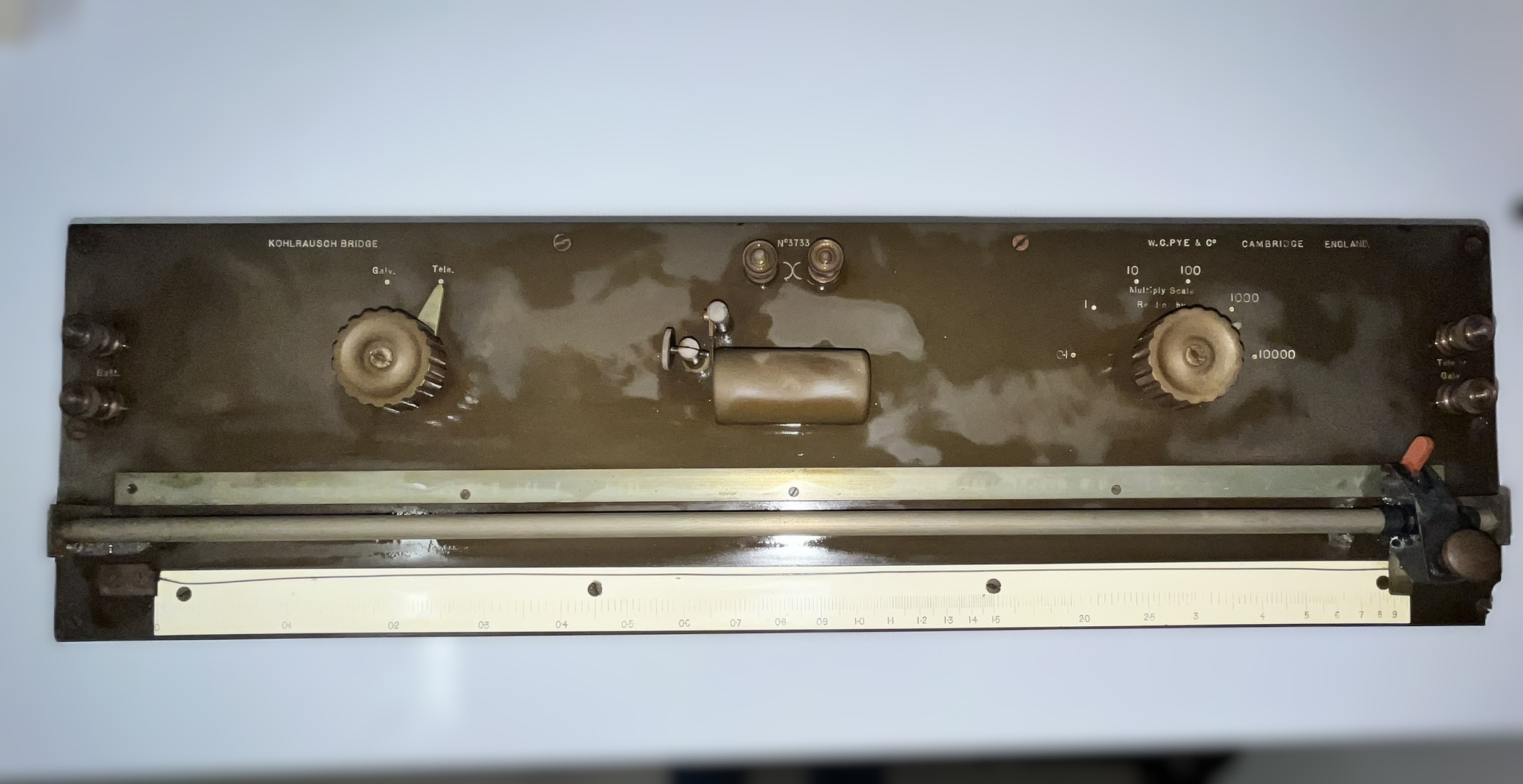
Kohlrausch Bridge
Description: This instrument is a type of Wheatstone bridge used for precise measurements of electrical resistance, particularly in electrolytes. It is commonly used in experiments studying conductivity and resistivity.
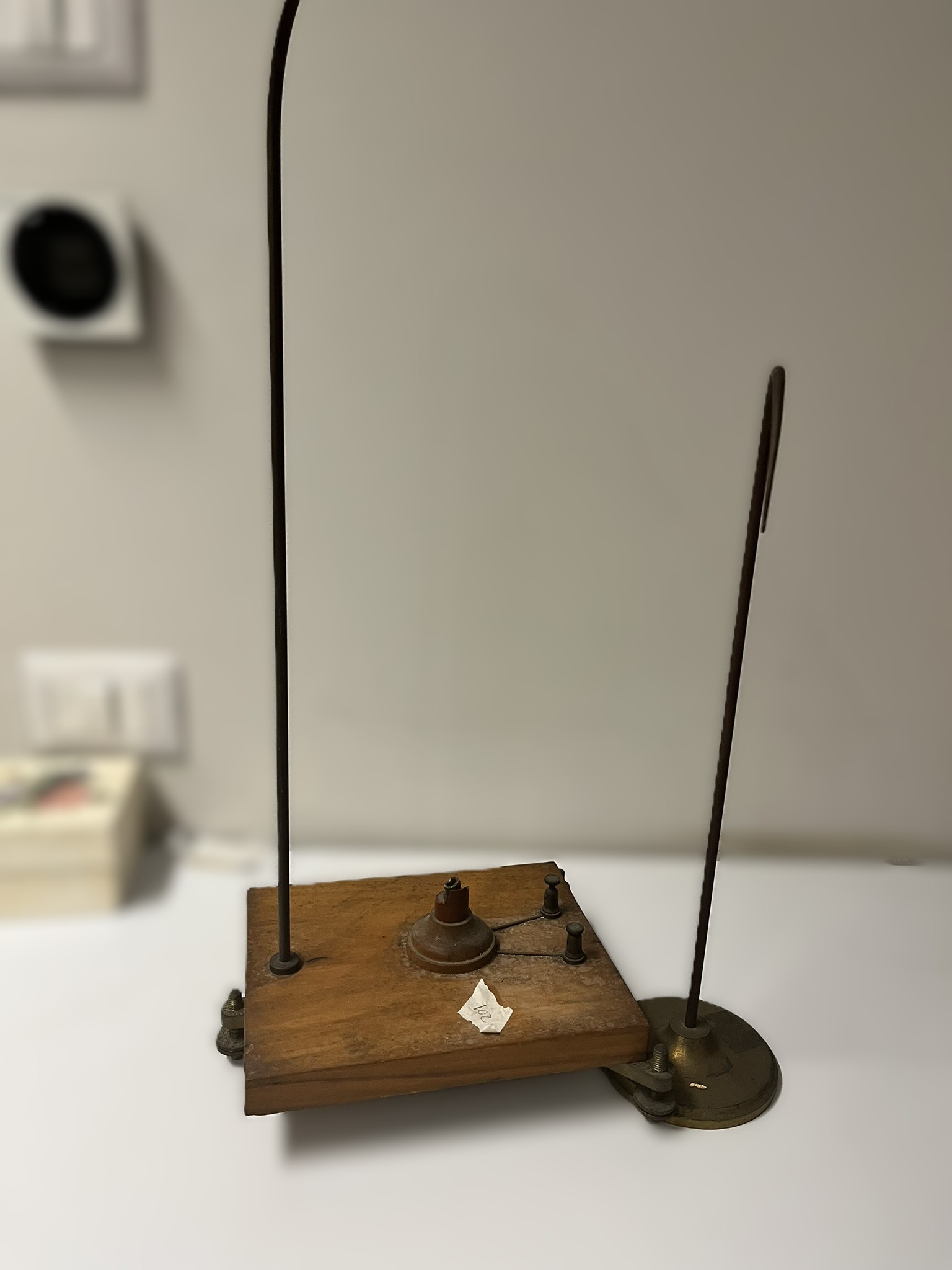
Electric Pendulum
Description: This apparatus is used to study the behavior of charged bodies and electrostatic forces. The pendulum demonstrates the interaction between a charged object and surrounding electric fields, often used in electrostatics demonstrations
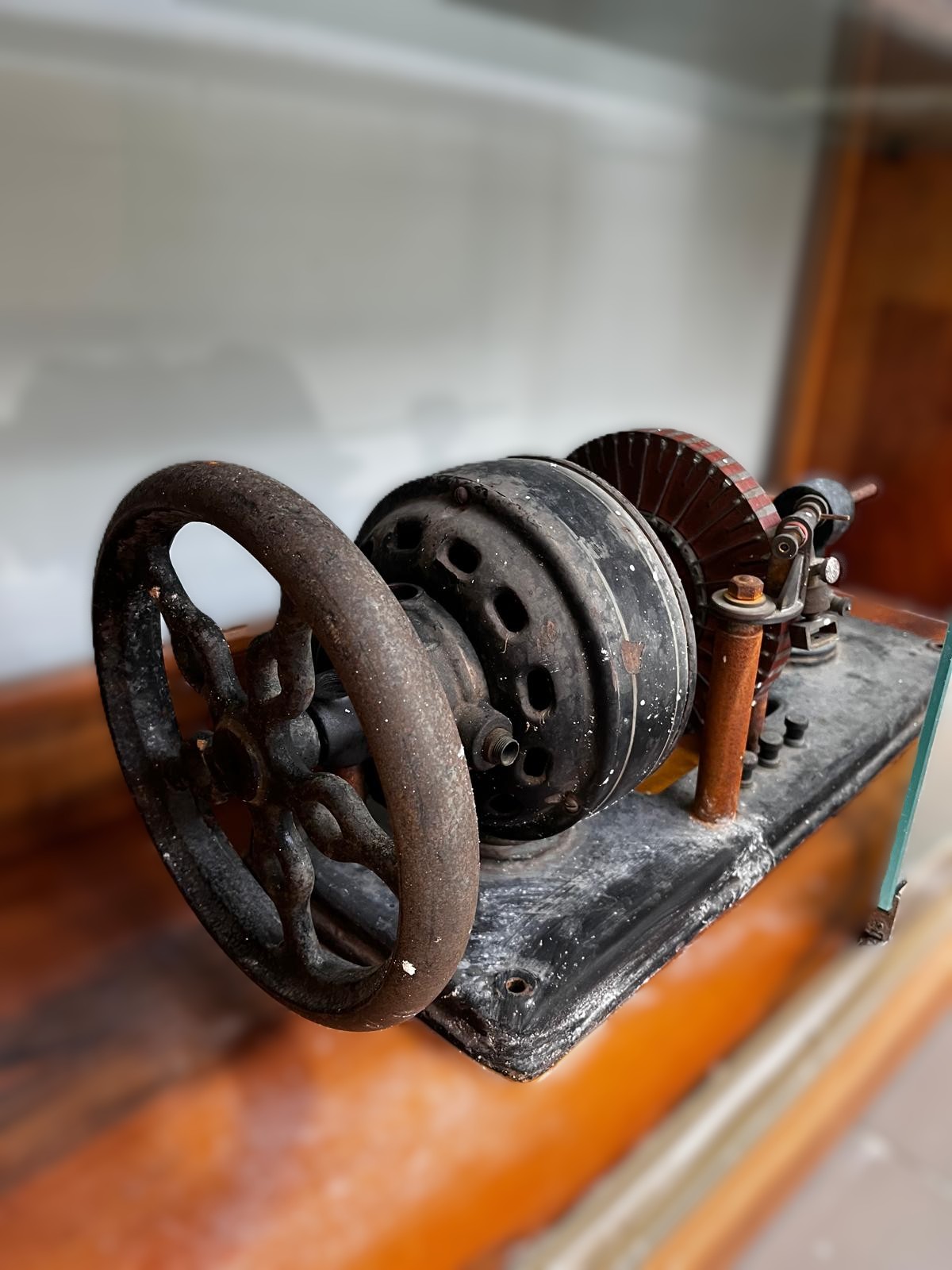
Hand-Cranked Dynamo
Description: This is a hand-cranked dynamo, an early electrical generator that converts mechanical energy into electrical energy. It was commonly used in educational demonstrations to illustrate the principles of electromagnetic induction and electricity generation.