RESEARCH
HANAIN research activities involve researchers operating in the research fields of Medicinal Chemistry and Microbiology
WORKPLAN
Pharmacophore modelling
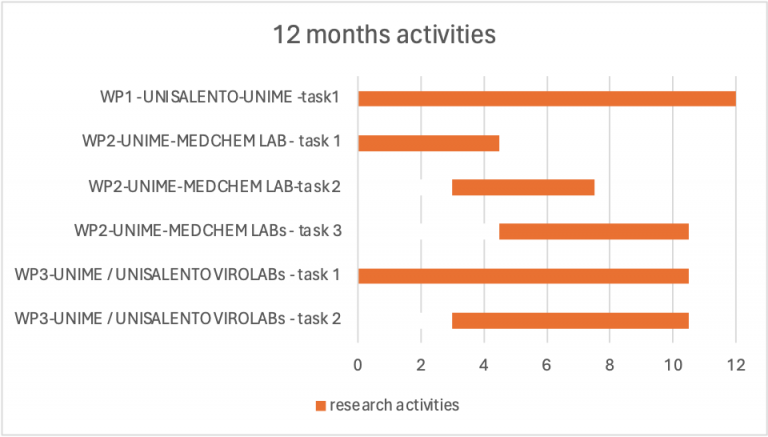
Development of Structure- e Ligand-based Pharmacophore models WP2-UNIME MEDCHEM LAB task 1
Virtual Screening
Repurposing and hit optimization following innovative and eco-friendly procedures WP2-UNIME MEDCHEM LAB task 2-3
Studi Biologici.1
In vitro evaluation of cytotoxicity of hit compounds WP3-UNIME / UNISALENTO VIROLAB task 1
Sudi biologici.2
In vitro evaluation of antiviral activity of selected hit compounds WP3-UNIME MEDCHEM LAB task 2
RICERCHE
This project proposal will start from in silico studies, that include Structure-Based and Ligand-Based Virtual Screening workflow to select the small molecules as the best candidates for evaluation as HA and NA inhibitors.
The selected molecules (hit compounds) will be tested for their ability to exert antiviral effects in the absence of cellular cytotoxicity.
Building pharmacophore models for efficient interactions with HA and NA protein
Virtual library screening, docking and molecular dynamics, prediction of drug-like properties.
Synthetic approaches and experimental determination of physico-chemical properties
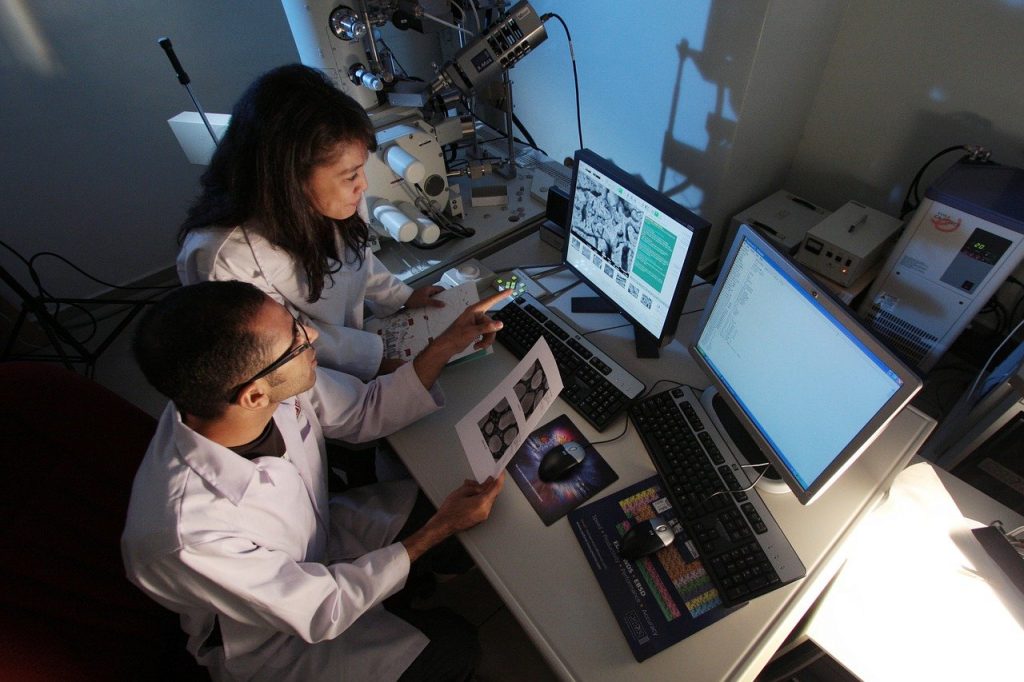
Development of Pharmacophore model by using Inteligand -LigandScout software, which allows for the creation of different structure- and/or ligand-based pharmacophore models, defining the essential complementary functional groups that protein ligands may share.
Crystal structures of complexes available in the PDB provide detailed information on the binding interactions of binary complexes between NA or HA and their respective inhibitors. Pharmacophore models are used to perform virtual screenings of small molecule databases (synthetic compounds, natural compounds, and currently available drugs).
Once selected, these undergo molecular docking and dynamic simulations. Programs such as Glide, Gold, Autodock, and Desmond are used. In silico prediction of physicochemical and ADME properties (solubility, lipophilicity, cell permeability, and so on), calculated in silico using Percepta ACD/Lab software, is performed before biological assays.
Virology Laboratory from Università di Messina
Research on the molecular mechanisms regulating virus-host cell interactions, with a particular focus on herpesvirus and human retrovirus infections. Our research lines explore the role of NF-κB, inflammation, ROS, regulated cell death, and microRNA, and include the identification and validation of natural or newly synthesized molecules with potential antiviral or antitumor activity.
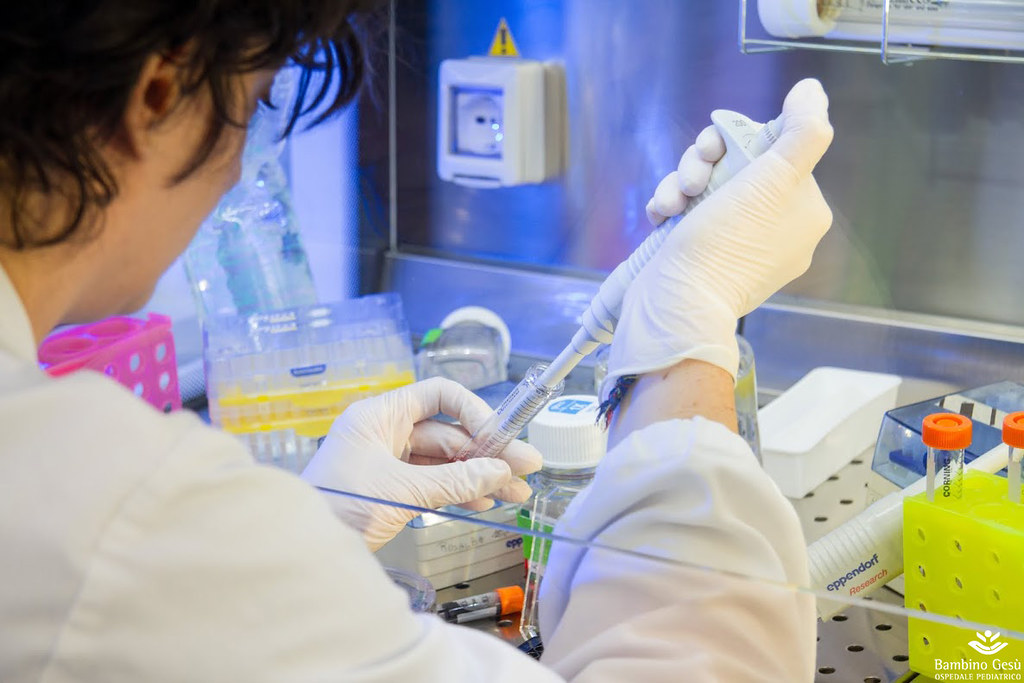
The laboratory develops and optimizes innovative functional assays for the in vitro evaluation of bioactive compounds and is equipped with advanced instrumentation for molecular analyses and cellular studies.
The research team is composed of a researcher, postdoctoral fellows, and students who combine multidisciplinary expertise in virology, molecular biology, pharmacology, and biotechnology.
Scientific activity is conducted in a collaborative environment integrated into national and international research networks, with the aim of generating knowledge and qualified training.
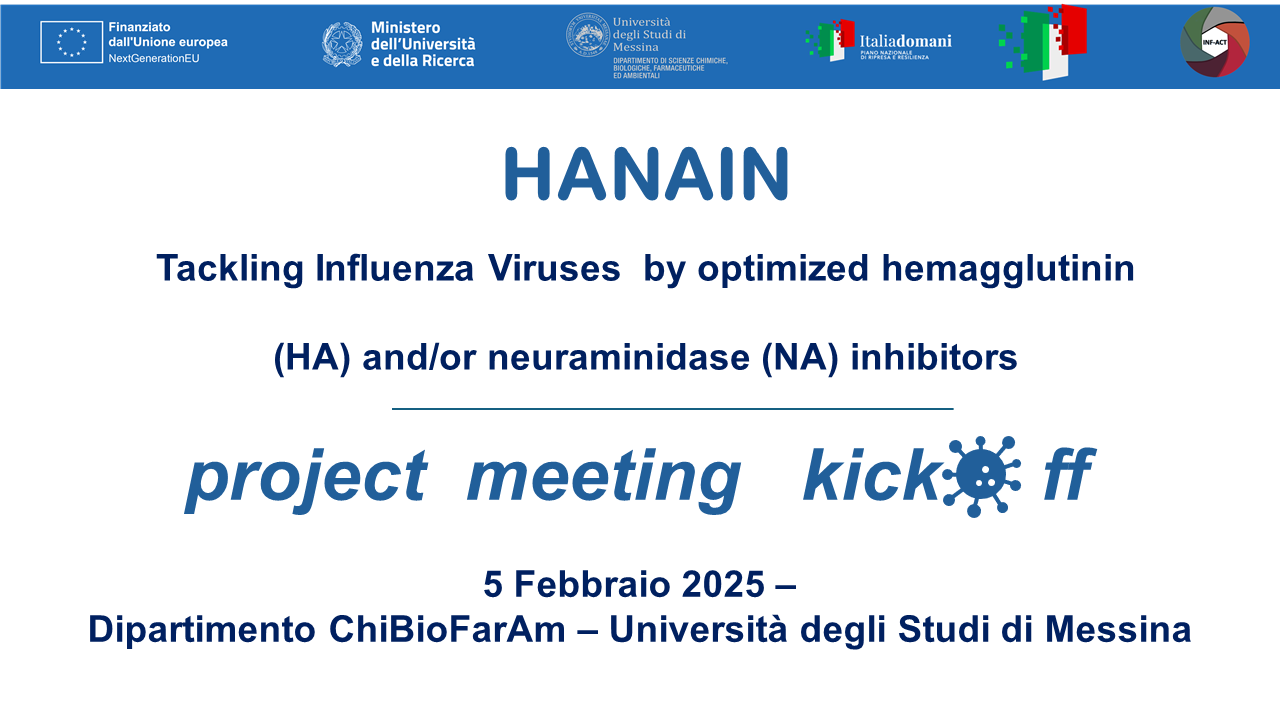
Kick-off Meeting HANAIN
Aula A-1-6
ore 11.00