
THEMATIC AREAS & SPEAKERS
THEMATIC AREAS
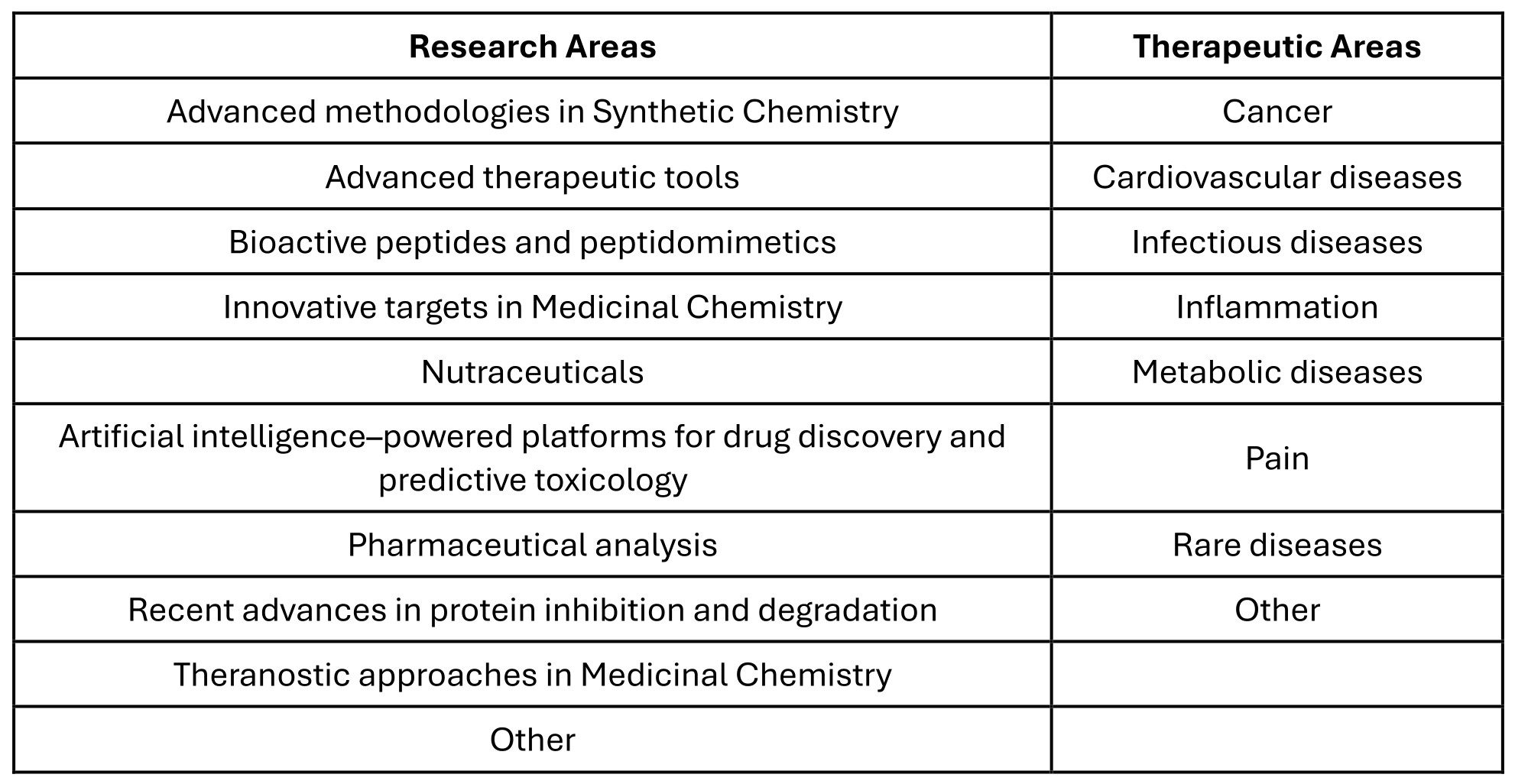
The preference among oral and flash communication, or poster, with the indication of one Research area as well as one Therapeutic area (listed below), should be indicated by the applicant using the Abstract submission portal.
PLENARY SPEAKERS
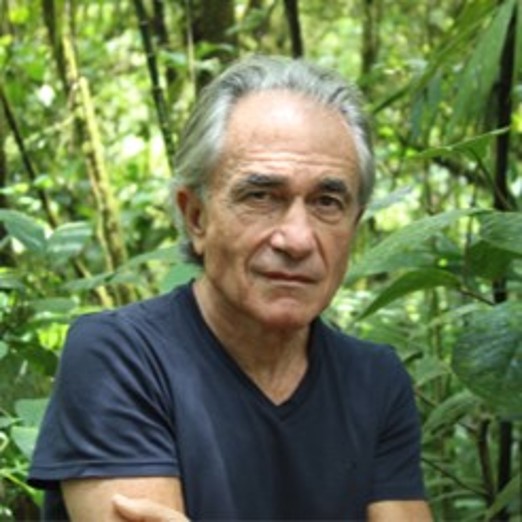
Fernando Albericio
University of KwaZulu-Natal
Fernando Albericio is a Research Professor at the University of KwaZulu-Natal (South Africa) and Emeritus Professor of Organic Chemistry at the University of Barcelona (Spain) with 50 years of experience in peptide chemistry. He was also founder and General Director of the Barcelona Science Park and Rector of Yachay Tech (Ecuador). His major research interests cover practically all aspects of peptide synthetic methodology as well as the synthesis of peptides and small molecules with therapeutic activities (cancer and infectious diseases). Lastly, he was working on greening the solid-phase peptide synthesis processes. He has published more than 1000 scientific articles, filed more than 60 patents, and graduated more than 80 Ph.D. students. He was recently awarded the 2025 Chemistry Today Lifetime Achievement Award (Teknoscience, Italy), the 2024 Rudinger Award (European Peptide Society), the 2024 Meienhofer Award (Boulder Peptide Foundation), the 2024 Lifetime Achievement Award (European Peptide Synthesis Conference), the 2022 Gold Medal [South Africa Chemistry Institute (SACI)],and the 2019 Goodman Award (American Peptide Society).
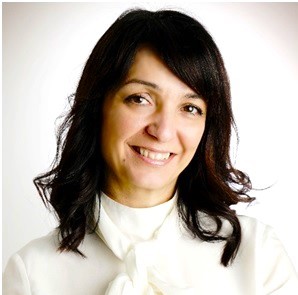
Angelini Pharma
Dr. Chiarparin trained in chemistry at the University of Trieste and specialized in structural biology and biophysics at the University of Lausanne, Switzerland, establishing a strong foundation that links molecular structure to therapeutic design. She brings more than 20 years of experience in drug discovery across oncology, neuroscience, and immunology, having held senior scientific leadership roles at GSK, Astex Pharmaceuticals, AstraZeneca, and Merck KGaA. Across these positions, she has contributed to the advancement of multiple clinical candidates while leading multidisciplinary teams at the interface of chemistry, biology, and translational science. Her work focuses on translating molecular insight into innovative therapeutic strategies. She has advanced structure-based drug design through the integration of protein structural information and experimentally derived free ligand conformations, and has championed AI-enabled molecular design to accelerate hypothesis generation and molecule optimization. Throughout her career, Dr. Chiarparin has played a key role in establishing proximity-driven discovery platforms, including PROTAC and molecular glue portfolios — and more recently in advancing antibody–drug conjugates and next-generation biologics. She is recognized for connecting chemistry, platform innovation, and therapeutic strategy to unlock new therapeutic opportunities. The author of more than 60 peer-reviewed publications, she continues to contribute to the evolution of modern medicinal chemistry. |
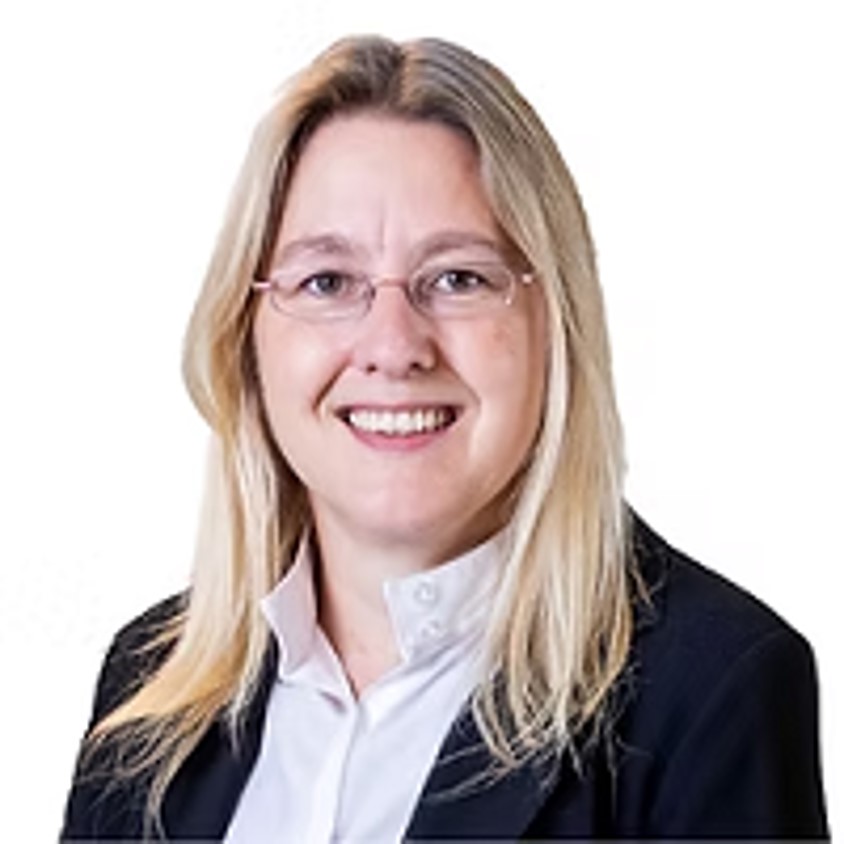
Werngard Czechtizky is Vice President, Small Molecule Research at GSK. She previously served as Head of Medicinal Chemistry at AstraZeneca, Respiratory and Immunology, and Sanofi, Germany. She has a track record of delivery of clinical candidates and lead compounds across several therapeutic areas (CV, Diabetes, Pain, CNS, Aging, Respiratory and Immunology). She implemented state of the art technologies into Medicinal Chemistry, e.g. ML/AI tools, New Modalities, targeted delivery, chemical probes for target validation, automated synthesis and integrated physchem & eADME profiling workflows. Werngard serves on diverse scientific advisory boards and is co-/author of >100 publications and patents. She has studied at the Technical University of Graz, Austria, received a PhD from ETH Zürich and a postdoctoral training at Harvard University. Before joining AZ in 2017, she has been working at Aventis, then Sanofi at Frankfurt, Germany.
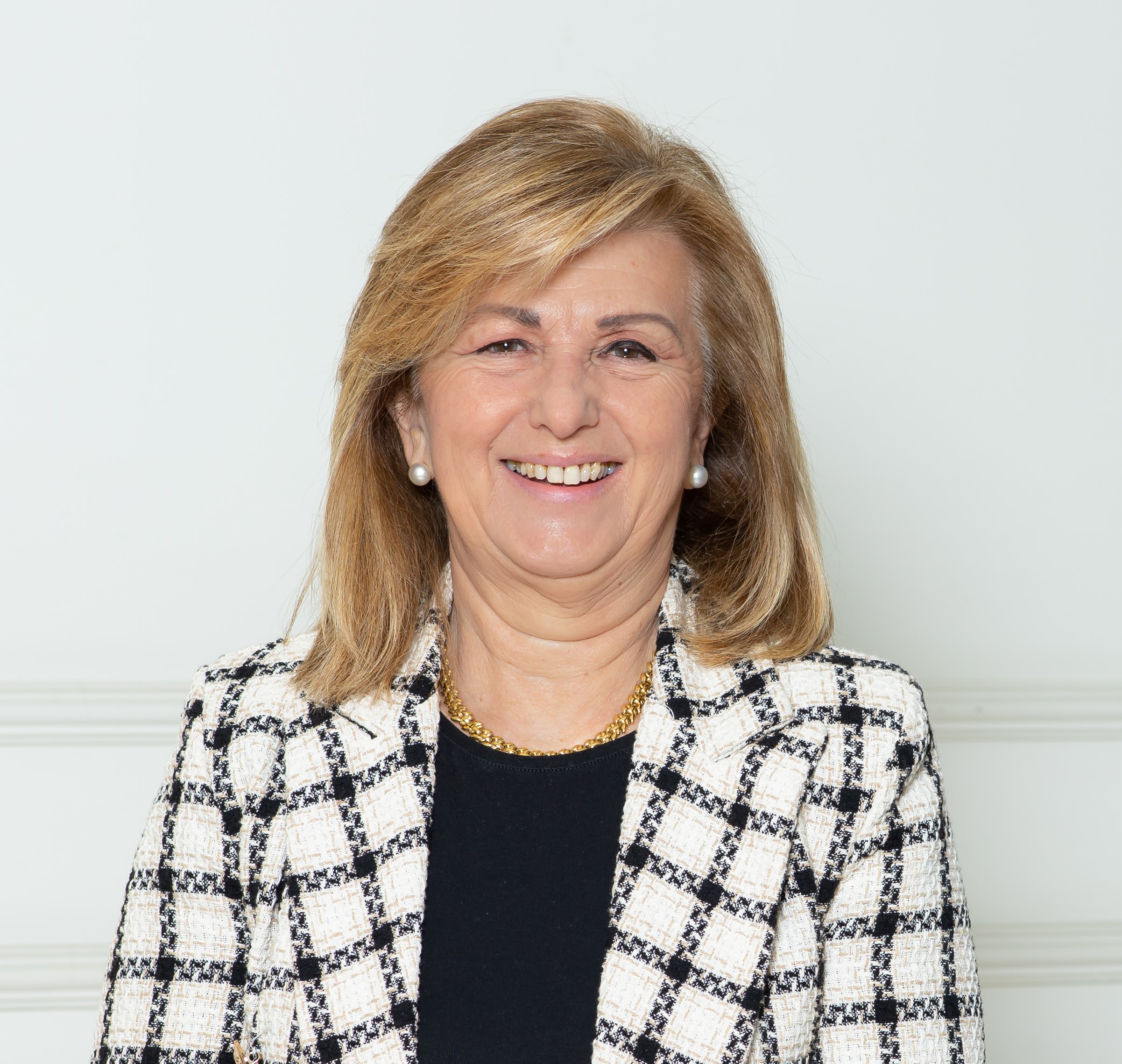
Coral Barbas
CEU San Pablo University
Prof. Coral Barbas is currently Full Professor of Analytical Chemistry at Pharmacy Faculty, Universidad San Pablo CEU, Madrid (Spain) and Director for the “Centre for Metabolomics and Bioanalysis” (CEMBIO). She is also Director for CEU International School of Doctorate (CEINDO). Leading an international group with more than 30 researchers, she is the author of more than 400 papers, with current research interests in all the steps of multiplatform metabolomics (GC-MS, LC-MS, LC-IM-MS and CE-MS) to ensure the quality of information in all kinds of biological samples. Her awards include Angel Herrera Research Award, the medal of Bialystok Medical University, the award of the Belgian Society of Pharmaceutical Sciences (BSPS 2018) and recently the Nernst-Tswett award by the European Society of Separation Sciences (EuSSS 2022). She has received a Honoris causa doctorate in Bialystok Medical University. She is in the “world’s top 2% scientists list” of Stanford University. She has been President of the Madrid section of the Spanish Chemical Society, Vice-president of the Spanish Metabolomics Society and Editor for Journal of Pharmaceutical and Biomedical Analysis till December 2021. |
KEYNOTE SPEAKERS
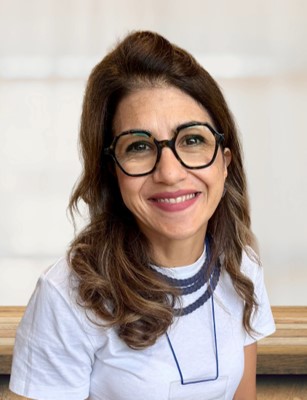
Jussara Amato
University of Naples Federico II
Jussara Amato is Associate Professor of Medicinal Chemistry at the University of Naples Federico II. She graduated in Chemistry and Pharmaceutical Technologies (2003) and completed her Ph.D. in Biotechnological Sciences (2006) at the same institution. After her Ph.D., she was a visiting scientist at the University of Liège (Belgium), working with Prof. Valérie Gabelica on the mass spectrometry of nucleic acid structures and their drug targeting. Her research bridges medicinal chemistry and chemical biology, with a primary focus on the rational design and characterization of small molecules and, more recently, peptides that selectively recognize and modulate noncanonical nucleic acid structures, particularly G-quadruplexes and i-motifs. By combining structural, biophysical, and synthetic approaches, she investigates the molecular determinants of ligand recognition, binding selectivity, and structure-activity relationships. Through this multidisciplinary strategy, her work contributes to expanding the range of molecular targets beyond proteins, establishing noncanonical nucleic acids as innovative opportunities in precision oncology.
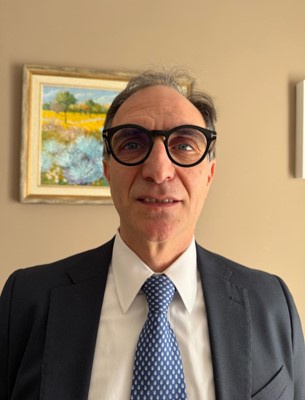
Francesco Leonetti
University of Bari Aldo Moro
Francesco Leonetti graduated in 1995 and obtained his Ph.D. in 1999. That same year, he was awarded a postdoctoral fellowship at the Department of Chemistry, University of California, Berkeley, where he joined Professor Jonathan Ellman’s research group. In 2001, he became a researcher at the Faculty of Pharmacy, University of Bari, rejoining Professor Angelo Carotti’s group. From January 2012 to August 2015, Professor Leonetti served as a member of the Board of Directors of the University of Bari; he also held this position from March to September 2016 and from March 2017 to October 2018. In 2017, he was appointed Associate Professor at the Department of Pharmacy – Pharmaceutical Sciences, University of Bari, and in 2018 he became Director of the same department. In 2024, he became a member of the National Coordination Centre of Local Ethics Committees for Clinical Trials of Medicinal Products for Human Use and Medical Devices. His research interests range from neurodegenerative diseases—particularly monoamine oxidase B (MAO-B) and acetylcholinesterase (AChE) inhibitors—to anticancer agents, including aromatase inhibitors, matrix metalloproteinase (MMP) inhibitors, histone deacetylase (HDAC) inhibitors, and cannabinoid receptor type 2 (CB2) ligands
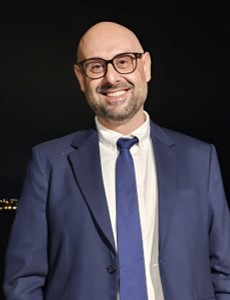
Michele De Luca
University of Calabria
Michele De Luca is an Associate Professor of Medicinal Chemistry at the Department of Pharmacy, Health and Nutritional Sciences, University of Calabria (Italy). He obtained his degree in Pharmaceutical Chemistry and Technology and his Ph.D. at the same institution. During his doctoral and postdoctoral training, he conducted research stays at the Spanish National Research Council (CSIC, Barcelona, Spain), collaborating with leading international experts in chemometrics. His research focuses on pharmaceutical analysis and chemometrics, with particular emphasis on drug stability and photodegradation. He develops advanced analytical strategies based on the integration of spectroscopic and chromatographic techniques with multivariate data analysis, particularly within the Multivariate Curve Resolution–Alternating Least Squares (MCR-ALS) framework, to investigate complex chemical systems and kinetic processes. His research also integrates computational approaches with the study of bioactive compounds from Mediterranean plants, aimed at the discovery of novel therapeutic agents. He is actively involved in teaching and in promoting innovation in higher education, with a focus on artificial intelligence and digital technologies.
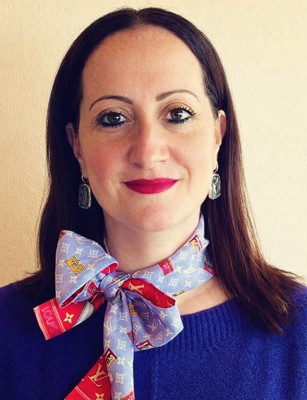
Laura Mercolini
University of Bologna
Laura Mercolini is Associate Professor of Medicinal Chemistry at the Department of Pharmacy and Biotechnology, Alma Mater Studiorum – University of Bologna (Bologna, Italy). She received her degree in Pharmaceutical Chemistry and Technology, followed by a Ph.D. in Pharmaceutical Sciences. During her doctoral and postdoctoral training, laura Mercolini carried out research stays abroad at the University of California, Irvine (CA, USA), the Veterans Affairs Medical Center in Long Beach (CA, USA) and the University of Geneva (Switzerland). In 2013, she began her independent career as a team leader at the University of Bologna, where her scientific research focuses on the development of innovative methods in pharmaceutical analysis applied to different areas of medicinal chemistry. These approaches are based on microsampling and miniaturized sample preparation, integrated with mass spectrometry. She is Editor-in-Chief of Medicinal Research Reviews and Director of the second-level Professional Master’s Program in Forensic Chemical-Toxicological Analysis. Some recent honors include the ElSohly Award 2021 from the American Chemical Society, the Career Award 2024 from the PROTEOMASS Scientific Society and the Research Award 2025 from Fondazione De Sanctis and the Italian Ministry of University and Research. She is a member of the boards of the thematic groups of the Italian Chemical Society on Pharmaceutical Analysis and Forensic Chemistry. |
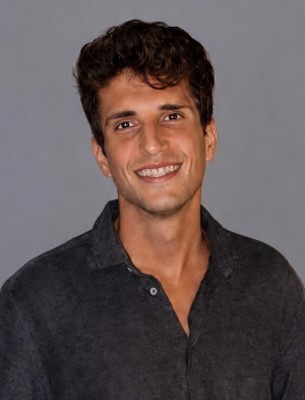
Vincenzo Maria D'Amore
University of Naples ‘Federico II"
Dr. Vincenzo Maria D’Amore is a Research Fellow in the Department of Pharmacy at the University of Naples Federico II, where he conducts research in the field of computational medicinal chemistry. His work focuses on the rational design of therapeutic agents through advanced molecular simulations, free-energy calculations, and enhanced sampling methodologies. He obtained his Master’s Degree in Pharmacy in 2018 and his Ph.D. in Pharmaceutical Sciences in 2022, both from the University of Naples Federico II under the supervision of Prof. Luciana Marinelli. During his doctoral studies and part of his subsequent postdoctoral training, he collaborated with the research group of Vittorio Limongelli at the Università della Svizzera italiana in Lugano, where he investigated the molecular mechanisms underlying GPCR activation and ligand–receptor recognition processes. His research interests span computational drug discovery, the development of RNA-targeted therapeutics, and the integration of artificial intelligence into molecular design. He has contributed to several national and international research initiatives, including projects funded through the European Research Council, PRIN, and National Recovery and Resilience Plan programs. He is the author of 23 peer-reviewed scientific publications, 10 of which as first or co-first author. Throughout his career, Dr. D’Amore has received several prestigious awards, including the CIRPeB – Carlo Pedone Award and the Best Paul Ehrlich Network Project Award, recognizing his contributions to the application of molecular simulations in the conformational analysis and design of pharmacologically relevant peptides.
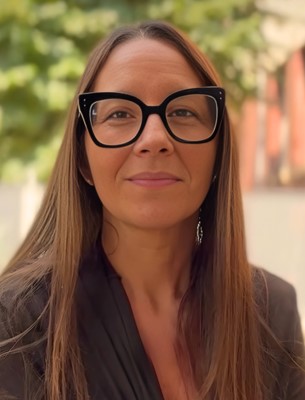
Valentina Gandin
University of Padova
Valentina Gandin is Associate Professor of Medicinal Chemistry at the Department of Pharmaceutical and Pharmacological Sciences, University of Padova (Padova, Italy). She graduated in Chemistry and Pharmaceutical Technologies and completed her Ph.D. in Molecular Sciences (Pharmaceutical Sciences curriculum) at the same Institution. During her doctoral and postdoctoral training, she was a visiting scientist at the Department of Laboratory Medicine, Division of Pathology, Karolinska Institutet Hospital (Stockholm, Sweden), in the research group of Prof. Mikael Björnstedt, where she investigated the role of tumor-associated selenium-dependent redox enzymes and their relevance as therapeutic targets in cancer. Her research is primarily focused on the development of target-specific anticancer agents. By integrating molecular, cellular, and animal model systems, her research aims to identify and develop novel anticancer lead compounds with improved pharmacological properties and therapeutic potential compared with currently available chemotherapeutic agents. She is co-author of more than 160 scientific publications in peer-reviewed international journals and more than 200 communications presented at national and international conferences. Her research has also led to three patents in the pharmaceutical field.
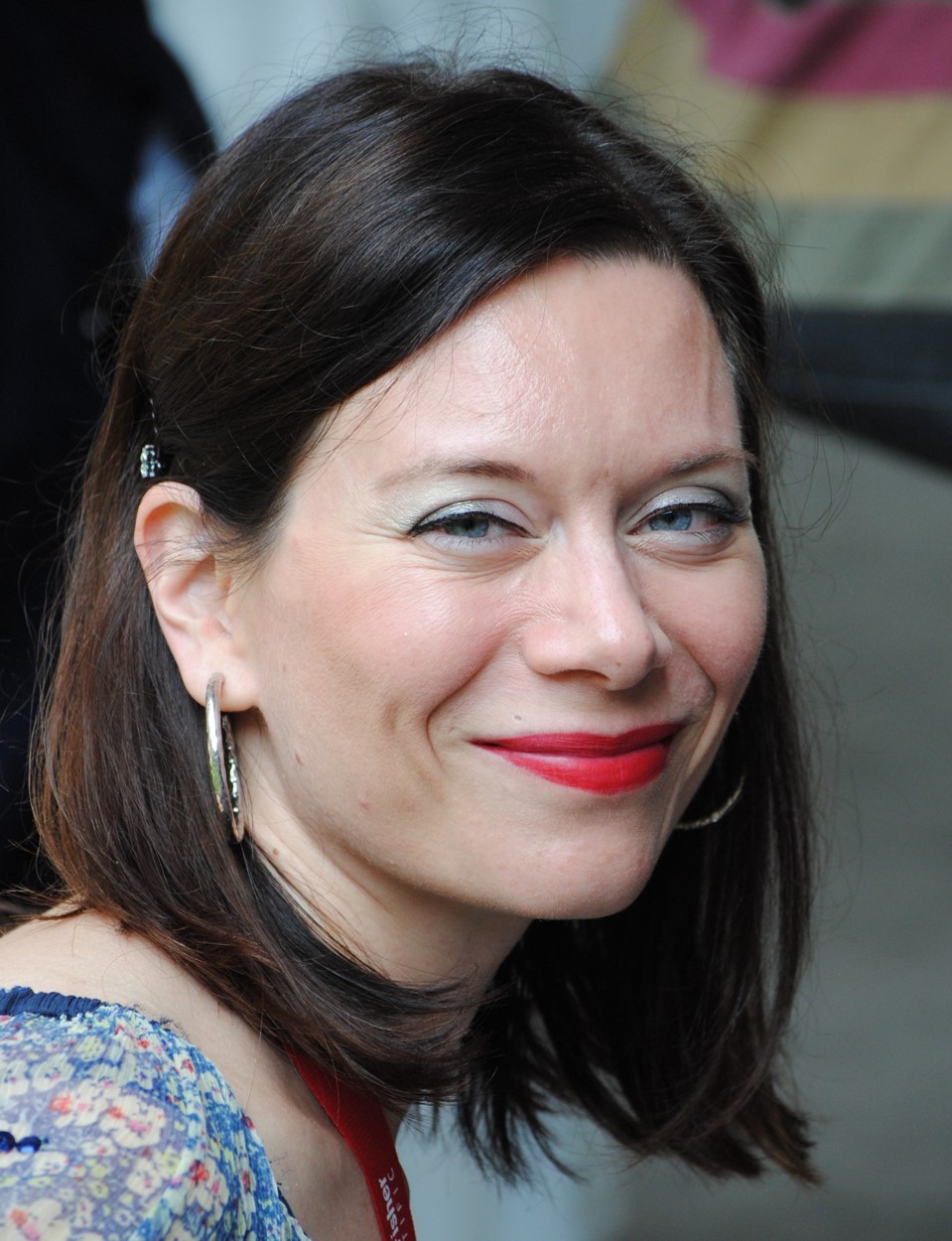
Francesca Spyrakis
University of Torino
Francesca Spyrakis obtained her PhD in Biochemistry and Molecular Biology from the University of Parma in 2007, under the supervision of Prof. A. Mozzarelli. She then joined the University of Modena and Reggio Emilia for a postdoc in collaboration with Molecular Discovery Ltd. In 2016 she joined the University of Turin, where she is currently full professor in medicinal chemistry, and head of the M4D lab (https://m4dlab.unito.it/). Her research is mainly focused on the identification of new treatments and strategies to counteract antimicrobial resistance, and to inhibit neuroinflammation in neurodegenerative diseases, by means of in silico approaches. She has extensive experience in the use of advanced computational tools for virtual screening, binding free energy estimation, and analysis of structure–activity relationships. She is author of more than hundred forty contributions in international journals and books, and she has led several projects aimed at the identification of new antimicrobials and antinflammatory molecules. She is Delegate for Data and Process Management, Quality Assurance, Effectiveness, Efficiency and Transparency in Data Management for the Rector of the University of Turin, President of the Pharmacy Degree at the University of Turin, and she has been President of the Piemonte and Valle d’Aosta section of the Società Chimica Italiana in 2023-2025.
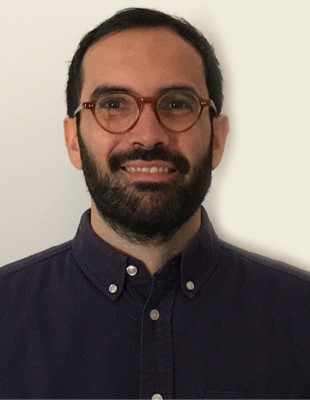
Mattia Bernetti
University of Urbino Carlo Bo
Mattia Bernetti is a fixed-term researcher, type B (RTD-B), at the Department of Biomolecular Sciences of the University of Urbino Carlo Bo. Mattia graduated in Chemistry and Pharmaceutical Technologies at University of Bologna in 2014, with a thesis work in computational chemistry conducted in the group of Prof. Jorgensen at Yale University, CT, USA. He obtained the Ph.D. in Biotechnological and Pharmaceutical Sciences from the University of Bologna in 2018, working in the group of Prof. Cavalli and spending six months abroad in the lab of Prof. Amaro at the University of California San Diego, CA, USA. As a postdoctoral fellow, he joined for three years the Molecular and Statistical Biophysics group at Scuola Internazionale Superiore di Studi Avanzati (SISSA) in Trieste, working under the mentorship of Prof. Bussi. Subsequently, he continued post-doctoral research for an additional three years in the Computational and Chemical Biology unit at the Istituto Italiano di Tecnologia (IIT) in Genova, led by Prof. Cavalli. Mattia has experience in the use of computational methods, particularly molecular dynamics (MD) simulations, to characterize structure and dynamics of pharmaceutically relevant biomolecules,
including the emerging class of non-coding RNAs.
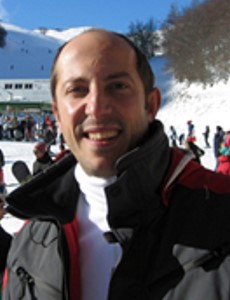
Giuseppe La Regina
Sapienza University of Rome
Giuseppe La Regina is an Associate Professor of Medicinal Chemistry at the Department of Drug Chemistry and Technologies, Sapienza University of Rome, Italy. He graduated in Pharmacy from Sapienza University of Rome in 2001, earned his PhD in Pharmaceutical Sciences from the same university in 2005, and obtained a 2nd Level Master’s in Drug Design and Development from the University of Pavia, Italy, in 2007. After completing a two-year postdoctoral fellowship at Cardiff University (UK), he served as an Assistant Professor of Medicinal Chemistry at Sapienza University of Rome from 2008 to 2019. His research focuses on the design, synthesis, and development of bioactive molecules for treating cancer, infectious diseases, and central nervous system disorders, with particular attention on ferroptosis, apoptosis, microtubule dynamics, and protein modulation. He is co-author of more than 100 peer-reviewed scientific publications and holds 5 patents. His research has been supported by funding from national and international research institutions. His scientific contributions have been recognized with the Italian Farmindustria Prize for Pharmaceutical Research. He currently serves as President of the Degree Programme Commission in Industrial Pharmacy at Sapienza University of Rome and as a member of the Scientific Direction at Institute Pasteur Italy - Cenci Bolognetti Foundation, Rome, Italy. |
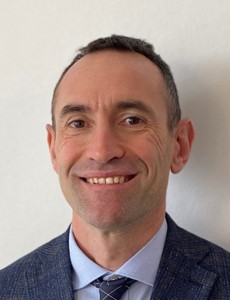
Tiziano Tuccinardi
University of Pisa
Tiziano Tuccinardi is Full Professor of Medicinal Chemistry at the University of Pisa, where he leads research in computer-aided drug design, molecular modeling, and artificial intelligence applications in drug discovery. He obtained his PhD in Computational Chemistry from the University of Pisa in 2006 and is Adjunct Associate Professor at Temple University (Philadelphia, USA). His research focuses on structure-based drug design, virtual screening, predictive modeling, and the development of computational tools for medicinal chemistry. He has authored more than 240 peer reviewed publications (Scopus H-index 49) and is regularly included among the top 1% of scientists in Medicinal & Biomolecular Chemistry according to standardized citation indicators. He is co-inventor of eight international patents in the field of drug discovery and has recently developed multiple computational platforms, including VenomPred, a machine learning-based toxicity prediction tool, and MolBook, an integrated platform for the creation, management, and analysis of chemical data. His work integrates methodological innovation with real-world applications in medicinal chemistry and translational research.